
Offshore casinos are online casinos licensed outside Great Britain, and many UK players compare them for their large game lobbies, generous welcome bonuses and wide choice of payment methods. Strip the branding off an offshore casino and what remains is a stack of rented services: a domain name, servers from a hosting company, a cashier plugged into a payment network and visibility from search engines and social platforms.
That picture underpins everything that follows in this guide. We set out how offshore casinos are assembled, why their addresses shift so frequently, how payments and balances are managed, and which checks to run before you deposit. Our goal is straightforward: helping you compare the best offshore casinos UK players search for, based on the points that really matter most.
What is an offshore casino built on?
Mention “offshore” and most people picture a single fixed location, usually a small island with a light-touch approach to licensing. The reality has more layers. A licence is just one part of the overall operation, and in the daily running of a site it is often the part that matters least. Take a casino that targets British players as an example: its paperwork might come from one jurisdiction, its company might be registered in another, its servers could be rented in a third, and its payments might flow through intermediaries in a fourth. Curaçao is the licence name you will see more often than any other, and our guide to Curaçao casinos not on GAMSTOP explains how to verify that paperwork.
What matters for players is that each layer is sourced from a supplier, and the quality of those suppliers shapes what you actually get: how quickly the site loads, which games fill the lobby, the deposit methods available in the cashier and how long a withdrawal takes to be paid out. The table below matches each layer to the job it does for you and to the points worth checking before you sign up.
| Layer | Typical supplier | What it does for you | What to check |
|---|---|---|---|
| Domain name | Registrar and registry | The address you type or bookmark | That the domain matches the one named on the licence certificate |
| Hosting | Hosting or infrastructure provider | Page speed and uptime, especially on mobile | How quickly the lobby and live tables load on your phone |
| Game content | Game studios and aggregators | The slots, table games and live dealer titles in the lobby | Which providers are listed, and whether the games you know are there |
| Discovery | Search engines, social platforms, affiliates | How you find the site and its promotions | That an offer you saw elsewhere matches the casino’s own promotions page |
| Cashier | Card schemes, processors, e-wallets, crypto wallets | Deposit and withdrawal methods, limits and fees | Minimum and maximum withdrawals and any fees per method |
| Licence paperwork | A foreign regulator | The rules on game fairness, complaints and player funds | The licence number, the regulator’s validation page and the operating company |

How are offshore casinos licensed?
Any offshore casino worth a closer look should display all three of these details clearly on its site: the licensing authority, the licence number and the name of the operating company. Curaçao is the jurisdiction you will come across most often on sites aimed at British players, while Malta and a handful of other regulators also feature. Every one of these bodies writes its own rules. Those rules govern game fairness, identity and anti-money laundering checks, the way player complaints are handled and the information an operator is required to publish. Put simply, the licence shows you which rulebook a casino plays by. The steps below explain how we check that licence on every site we review.
- Licence number. A properly licensed site shows its licence number and the name of the regulator in the footer, usually next to a seal or logo.
- Validation page. Clicking the seal should open a page on the regulator’s own website confirming the licence status and listing the domain you are on.
- Operating company. The terms should name the company behind the site, with a registration number and address that match the licence.
- Game certification. Good sites state that their games and random number generators are tested by independent labs, and many link to the certificates.
- Complaints route. The terms should describe how to raise a complaint with the operator and what happens next if you are not satisfied, including any route to the regulator.
Part of our own process may help PCZ readers here, because comparing offshore casinos at scale is partly a data problem. Behind the scenes, many brands run on shared platforms, game aggregators and cashier providers, so two sites with different logos can turn out to be the same product underneath. To keep track of this, we record both the operating company and the software platform for every casino we review. With those details logged, our comparisons can focus on the features that genuinely set one site apart from the next.
Game lobbies and software providers
At most offshore casinos, the lobby is where the biggest practical difference shows. Because these sites are not tied to game versions built for the British market, they can offer titles with features such as autoplay, which UK-licensed casinos have to switch off. Many also combine several aggregators to stock each section of the lobby. The table below sets out what the main sections usually contain and which points are worth looking at before you sign up.
| Section | What it usually includes | What to check |
|---|---|---|
| Slots | Video slots, Megaways-style games, jackpots and bonus buy titles from a range of studios | Whether your favourite providers are listed, and the RTP shown in the game info |
| Live casino | Live dealer blackjack, roulette, baccarat and game shows streamed from studios | Table limits, and whether live play counts towards bonus wagering |
| Table games | RNG blackjack, roulette, baccarat and casino poker variants | Side bet rules and the contribution to wagering |
| Crash and instant games | Multiplier games, mines, plinko and scratch cards | The maximum multiplier and how results can be verified |
| Jackpots | Progressive and daily drop jackpots | Whether the jackpot is networked across casinos or local to the site |
| Sportsbook | Many offshore casinos add a betting section on the same account | Whether the casino and sports welcome offers are separate |
The provider list in a casino’s lobby also tells you a good deal about quality. Recognisable names across slots, live casino and table games usually suggest a site that has invested in its product, because established studios tend to supply only operators that clear their own checks. If you spot unfamiliar titles, open the game info screen and check the RTP and the rules before you start playing.
How offshore casino bonuses work
Bonuses are where offshore casinos compete hardest. British licensees must now cap bonus wagering at 10x, whereas offshore sites set their own terms, so the offers on show are usually bigger and tend to come with more conditions attached. Working through those conditions is what separates a good deal from a headline that simply looks good.
| Bonus type | How it usually works | What to check |
|---|---|---|
| Welcome match | A percentage match on your first deposit, sometimes spread over several deposits | The wagering multiple, whether it applies to the bonus or to deposit plus bonus, and the time limit |
| Free spins | Spins on named slots, often released in daily batches | Spin value, eligible games and whether winnings carry wagering |
| Cashback | A share of net losses returned over a set period | Whether it is paid as cash or as bonus money with wagering |
| Reload bonus | Smaller matches on later deposits, often weekly | The minimum deposit and which payment methods qualify |
| VIP and loyalty | Points per wager exchanged for cash, spins or personal offers | How points convert and whether tiers reset |
| Crypto bonus | Separate offers for deposits in Bitcoin and other coins | Whether the bonus is credited in crypto or converted to pounds |
Every offer has three terms that deserve a close read. First is the maximum bet rule, which caps what you can stake on a single spin or hand while a bonus is still active; going over that cap can see any bonus winnings voided. Game weighting comes second. It decides how much each game contributes towards wagering. In practice, slots normally count at the full rate, whereas table and live games often contribute less, and sometimes nothing at all. The third term is the maximum cashout clause, which puts a ceiling on how much you can withdraw from bonus winnings. This clause matters most on free spins and no deposit offers, so those are the deals where you should check it most closely.
The headline percentage sells the bonus. The wagering, the maximum bet and the cashout cap decide what it is worth.
Why offshore casino addresses keep changing
Offshore brands switch to new web addresses more often than British licensees do, and in most cases the cause is an ordinary business choice: a rebrand, a move to a new platform, a separate domain set up for a new market or a change of hosting provider. It helps to see the domain as the front door and nothing else. The company sits behind it, together with its customer database, its game integrations and its cashier, which is why a move does not normally touch your account. To anyone looking in, the brand continues as before; beneath the surface, the address is the only thing that has changed.

The most practical habit is to rely on your own way back to the site. Save a bookmark of the address you registered on. If a brand announces that it is moving, check the news with the casino directly: look for an email sent to the address on your account, a notice inside the logged-in area or a quick question put to live chat. The new domain should also appear on the regulator’s validation page for the licence. Brands that manage a move properly tell you in advance, transfer your balance, bonuses and loyalty points, and keep your login details exactly as they were.
What happens to your balance if a casino changes domain?
Your account and balance sit in the operator’s back office, not on the domain itself, so a change of address does not by itself alter anything you hold. Log in at the new address with your usual login details, and your balance, bonus progress and transaction history should all be there, just as you left them. In the longer run, the bigger difference comes from how you manage the account.
A few straightforward habits help withdrawals run without a hitch. Get the identity checks out of the way early, ideally before you request your first withdrawal, by uploading a photo ID and a proof of address that match the details on your account. Where possible, withdraw using the same method you deposited with, as most cashiers send payouts back along the route the money arrived by. Finally, check the withdrawal limits in the terms: offshore sites set their own daily, weekly and monthly caps.
Your choice of deposit method affects what you can do next. Payments by debit card or e-wallet leave a clear paper trail with a provider you already know. Crypto follows different rules: once a transaction is confirmed it cannot be reversed, so double-check the wallet address and the network before sending. In return, crypto withdrawals at many offshore sites are among the fastest to land once approved.
We would add one point that is easy to miss. An offshore balance is simplest to manage when you keep it modest. Rather than letting large sums sit in an account, withdraw your winnings at regular intervals, and keep a record of every deposit and withdrawal, plus the bonus terms you accepted.
Licence jurisdictions and how to read them
Offshore casinos that target British players are licensed by a fairly short list of regulators. Curaçao, Malta, Gibraltar, the Isle of Man, Kahnawake and Anjouan are the names you will come across most often. Each one has its own approach to overseeing operators, handling complaints and deciding which information a licensee has to make public. Curaçao, in particular, has reworked its framework: a new licensing law took effect on 24 December 2024 under the Curaçao Gaming Authority, replacing the earlier system of master licences and sublicences that had operated until that point.
Which licence a casino holds also influences the contents of its small print. Operators licensed in Malta are bound by the Malta Gaming Authority’s player protection rules and must use its complaints process, while Curaçao licensees work under the newer Curaçao regime. As you compare sites side by side, look at how clearly each regulator publishes its licence register and how plainly the operator explains its complaints route. Casinos that have kept a licence for a long time under one operating company tend to switch domain less often, and that is one reason licence history carries real weight in our reviews.
Payment methods at offshore casinos
If domains serve as the address of an offshore casino, its cashier is the engine room. Offshore sites tend to offer a broader spread of payment methods than British licensees, and the particular mix available to you determines how fast you can deposit, how quickly any winnings reach you and which fees apply.
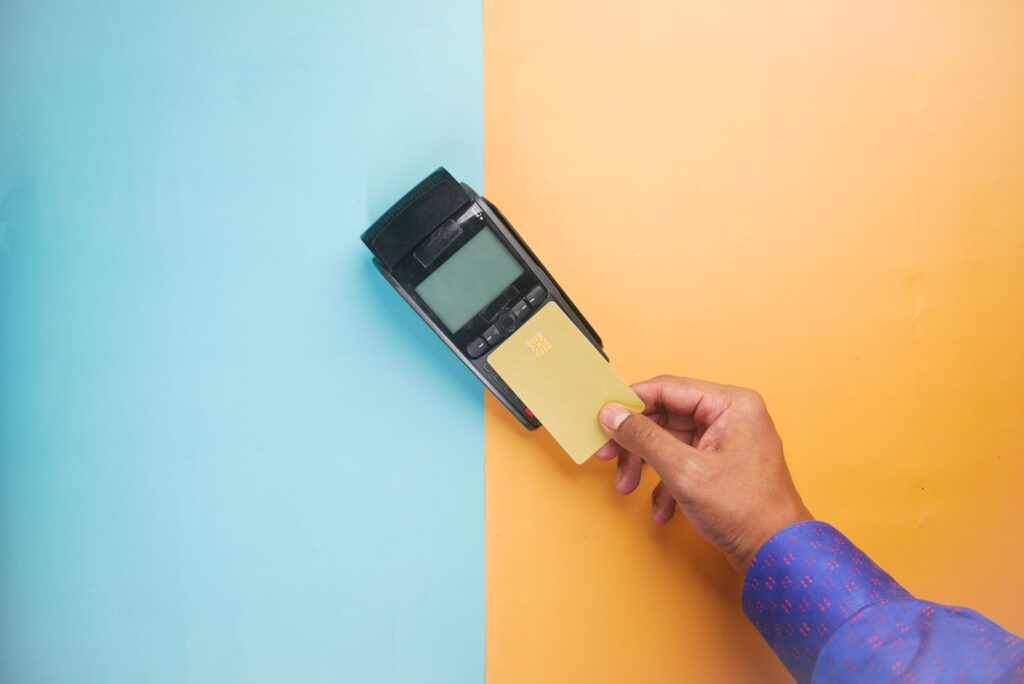
At most sites the default is a debit card, and both Visa and Mastercard are widely accepted. British licensees have not taken credit cards for gambling since 14 April 2020, a rule that also covers e-wallets topped up by credit card, yet many offshore cashiers still accept them, and that is one reason players compare these sites. E-wallets such as Skrill, Neteller and MiFinity hold your casino transactions apart from your main bank account, and they often rank among the quicker withdrawal options. Faster Payments transfers usually arrive almost instantly, although Pay.UK says they can take up to two hours. Crypto has become a standard choice at offshore casinos, covering everything from Bitcoin and Ethereum to Litecoin and stablecoins such as USDT, with low fees and fast payouts once a withdrawal has been approved.
In the cashier, look at three things before making a deposit: the minimum and maximum amount each method allows, whether fees apply to deposits or withdrawals, and if your preferred method qualifies for the welcome bonus, because some sites leave certain e-wallets out of promotions.
Offshore casinos compared with UK-licensed sites
Choosing an offshore casino over a British licensee, or going the other way, involves a trade-off, and each route has genuine strengths of its own. Over the last two years, newly introduced rules have reshaped the licensed market in noticeable ways. That change is a large part of what prompts players to compare offshore sites in the first place.
Plus
- Larger welcome offers, without the 10x wagering cap British licensees work under
- No British slot stake cap of £5 a spin (25+) or £2 (18 to 24)
- Autoplay and faster game cycles on many titles
- Credit cards, e-wallets and crypto in one cashier
- No British financial vulnerability checks at £150 net deposits in 30 days, though identity checks still apply at withdrawal
Minus
- Complaints follow the operator’s own process and its regulator’s route
- Balance protection depends on the operator and its licence
- Not connected to GAMSTOP
- Domains change more often, so keep your bookmark up to date
- Withdrawal limits and verification timing are set by each operator
Withdrawal speed ranks among the main reasons players weigh the two up. At offshore sites, payout times come down mostly to the method you pick and whether your identity checks are already complete: crypto and e-wallets are usually the quickest, while cards and bank transfers take longer. Licensed sites have their hold-ups as well. In a July 2024 blog on the subject, the Commission said withdrawal delays were the most common topic of complaints it received, at about 2,000 a year. A smooth cash-out is therefore worth comparing site by site in both markets. Our guide to fast withdrawal online casinos covers payout speed in more detail.
A two-minute check before you deposit
Everything above reduces to a short routine. It will not tell you whether you will win, but it will tell you whether a casino is set up properly and whether its terms suit the way you like to play.
- Find the licence number and regulator in the footer, and click the seal to open the regulator’s validation page.
- Confirm the licence status is active and that the exact domain in your address bar is listed on it.
- Match the company named on the licence with the operator named in the terms and the privacy notice.
- Open the cashier and check the methods, limits and fees for both deposits and withdrawals.
- Read the bonus terms for wagering, maximum bet, game weighting and maximum cashout before you opt in.
- Ask live chat a simple question, such as how long withdrawals take, and see how quickly and clearly they answer.
For a comparison with what licensed operators offer under current British rules, see our online casinos guide.
Questions we get asked
Why do offshore casinos change their web address?
Usually for ordinary business reasons: a rebrand, a move to a new platform, a separate domain for a new market or a change of hosting provider. Your account and balance sit with the operator, so they normally carry over to the new address with the same login.
Are offshore casinos part of the UK licensing system?
No. Offshore casinos hold licences from other jurisdictions such as Curaçao or Malta and are not part of the UK licensing scheme, so UK complaint routes like IBAS do not apply. Check the licence and the terms before you deposit.
What is a mirror site?
A copy of a casino running on a different domain, usually set up so the brand stays reachable when its address changes. The simplest way to find the current address is through the casino itself, via your account email, the logged-in area or live chat.
What happens to my balance if a casino moves to a new domain?
It should stay exactly where it is. Balances are held in the operator’s account system, not on the web address, so logging in on the new domain should show the same balance, bonus progress and history. Withdrawing winnings regularly keeps the amount you hold on any one site modest.
Which payment methods do offshore casinos accept?
Most take debit cards, and many also accept credit cards, e-wallets such as Skrill and Neteller, bank transfers and crypto such as Bitcoin, Ethereum and USDT. Check the limits and fees for each method in the cashier.
How long do offshore casino withdrawals take?
It depends on the method and on whether your identity checks are complete. Crypto and e-wallets are usually quickest once approved.
Are offshore casino bonuses bigger than at UK sites?
Often, yes. British licensees cap bonus wagering at 10x, while offshore sites set their own terms. Larger offers usually come with higher wagering, a maximum bet rule and sometimes a cap on cashouts, so compare the terms as well as the headline.
PCZ verdict
An offshore casino depends heavily on the rented infrastructure that supports it, which is why domains and mirror sites change more often than at UK-licensed casinos. For a player, the practical points are where your balance is held, how the site handles withdrawals and what its complaint route looks like. Compare the best offshore casinos on licence, payment methods, withdrawal terms and support, keep balances modest, and withdraw winnings regularly rather than leaving large sums in an account.
18+ only. Gambling is paid entertainment, so set a budget and deposit limits that suit you and take breaks when you need them. Updated 21 November 2026.