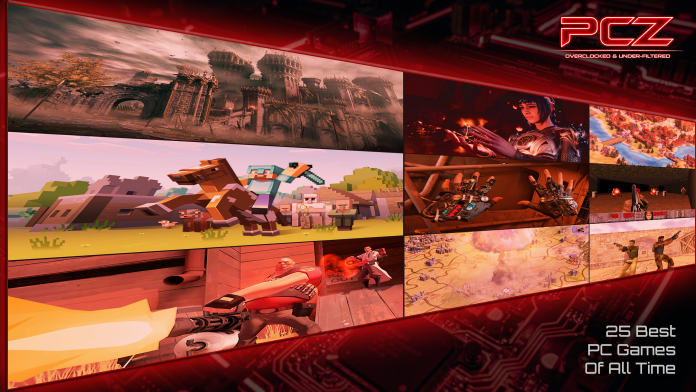

Deciding on the best PC games ever is like picking a favourite child — deeply tempting, highly questionable, and almost guaranteed to spark some passionate bust-ups over the dinner table.
We know how this works. Lists like this exist to be argued with. The moment you publish one, the “Actually…” brigade arrives from all corners of the internet, clutching their personal favourites like talismans and ready to explain, at considerable length, why your taste is catastrophically wrong. That’s fine. That’s the point. A list that offends nobody has said nothing.
What we’re not doing is pretending PC gaming began sometime around 2004. This platform has been producing genre-defining masterpieces since before most current gaming websites existed, and a best-of-all-time list that quietly ignores three decades of history to chase search volume isn’t a best-of-all-time list — it’s a cowardly abbreviation. PCZ has been here long enough to know better, and this list reflects that.
Twenty-five entries. No era left behind. Every one of them argued for. Let’s go.
1. Half-Life (1998)
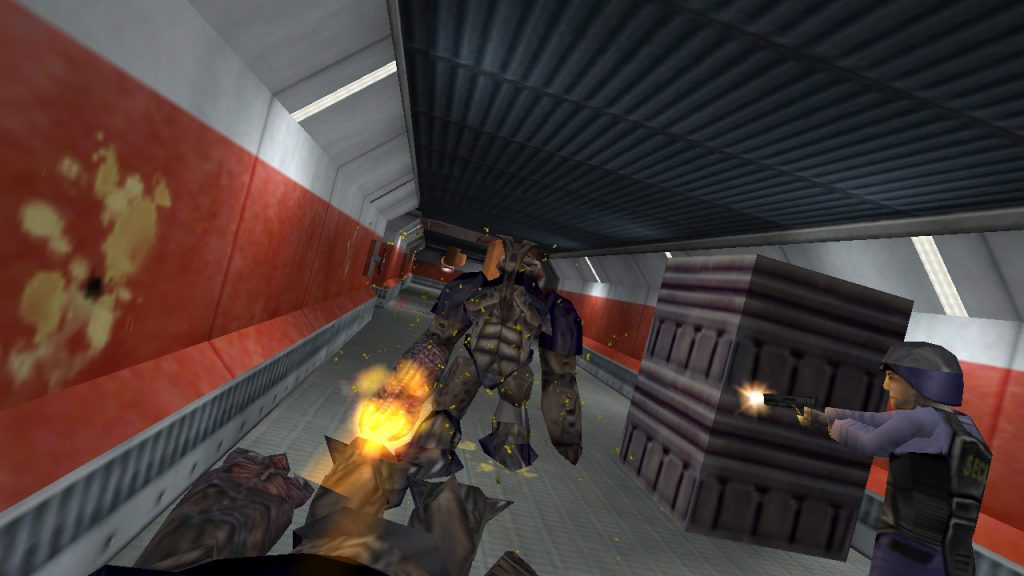
Valve’s First Miracle
Before Valve became a hat emporium with an occasional hardware division, they made Half-Life — and in doing so, rewrote what a first-person shooter could be. No cutscenes. No breaks in perspective. A world that existed and breathed and tried to kill you with complete indifference to your feelings about it.
Gordon Freeman doesn’t speak, doesn’t emote, and doesn’t explain himself. He simply exists in a facility that is catastrophically falling apart, and you inhabit him with a totality that 1998 had no right to produce. The physics, the environmental storytelling, the enemy AI — all of it arrived roughly five years ahead of where the rest of the industry was pointing. Half-Life didn’t raise the bar. It moved it to another building.
Everything that followed — the mods, the sequels, the cultural fingerprints on every subsequent FPS — traces its lineage here. Valve’s own account of Half-Life’s development remains one of the most instructive documents in game design history. If there is a more important PC game in the platform’s history, it is making a compelling case.
2. Doom (1993)
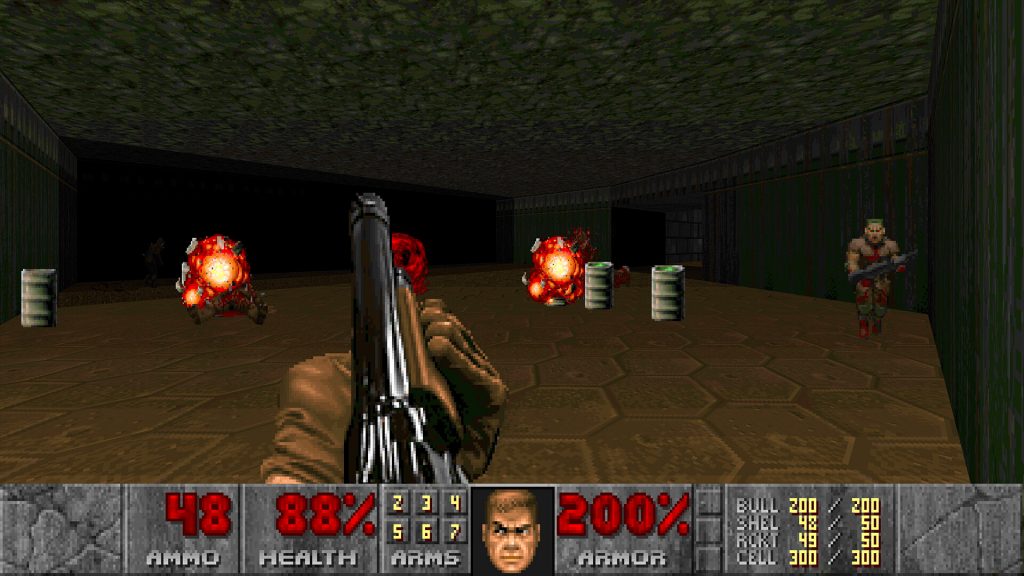
The Game That Invented Everything
Before Half-Life rewrote the rules, Doom wrote them. id Software’s 1993 landmark didn’t just create the first-person shooter as a genre — it created the template for PC gaming as a cultural phenomenon, complete with shareware distribution, multiplayer deathmatch, and a modding community that is, improbably, still active today.
Doom runs on everything. Doom has been ported to pregnancy tests, ATMs, and printers. This is not an accident — it is the universe acknowledging that Doom is a fundamental force of nature rather than merely a video game. It was controversial, violent, technically revolutionary, and genuinely terrifying in a way that its 1993 pixel budget had absolutely no right to achieve.
Thirty-plus years later, speedrunners are still finding new routes through its levels. That is not nostalgia. That is design so tight it has never been fully exhausted. The Doom Wiki remains one of the most comprehensively documented game archives on the internet — testament to a community that has never stopped caring.
3. The Witcher 3: Wild Hunt (2015)
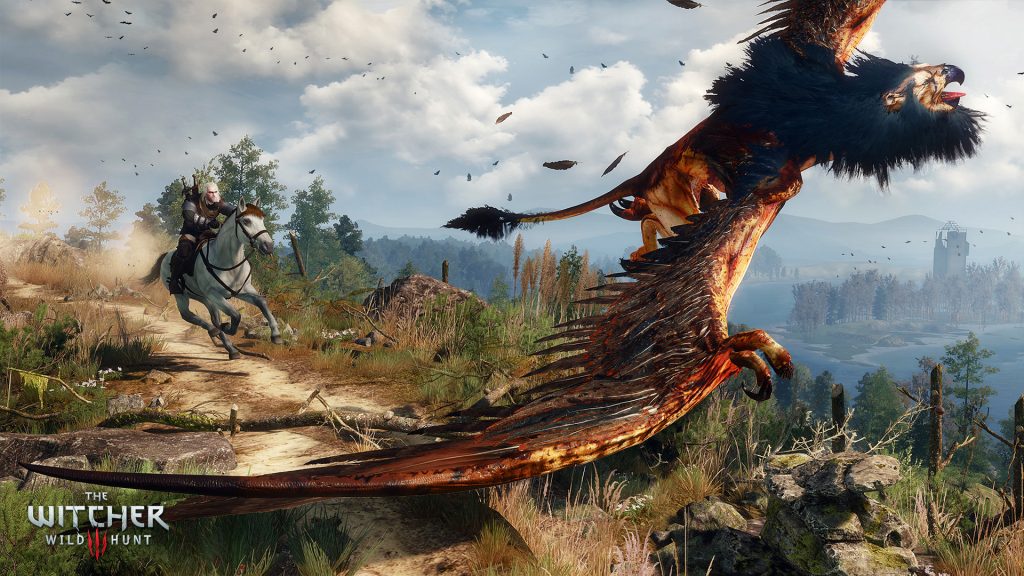
The Gold Standard
There are open world games, and then there is The Witcher 3, which arrived in 2015 and made everything released before it feel slightly embarrassed about its ambitions. CD Projekt Red built a world so dense with genuine consequence — where the decisions you make in minor sidequests ripple into the main narrative hours later — that it redefined what “content” means in the context of a game.
Geralt of Rivia is one of the great protagonists in any medium. Not because he is heroic or morally pure, but because he is a man navigating a world where the moral choices are rarely between good and evil, and usually between bad and worse. The writing throughout — from the main quest to the humblest notice board contract — is of a standard that most novelists would consider a decent afternoon.
On PC, maxed out, it remains one of the most visually extraordinary things the platform has ever produced. The Blood and Wine expansion alone contains more quality than most full-price releases. The benchmark by which all subsequent open world games have been measured, and found wanting. It holds a Metacritic score of 93 that has never been seriously disputed.
4. Quake (1996)
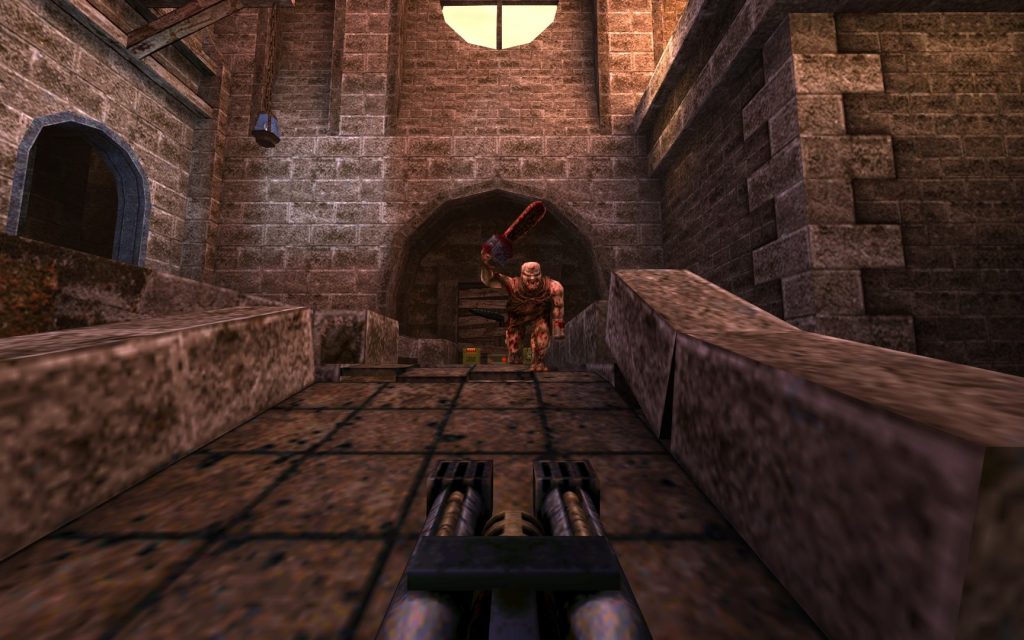
The First True 3D World
Where Doom operated in what id Software artfully described as “2.5D,” Quake arrived in 1996 with a fully three-dimensional engine that made the competition look immediately prehistoric. It was darker, faster, and more architecturally complex than anything that preceded it — a gothic fever dream of brown stone corridors, rocket launchers, and network deathmatch that would directly birth the competitive FPS scene.
Quake is also, quietly, the game that launched a thousand careers. The modding tools id released alongside it produced the first iterations of Team Fortress, the early DNA of Counter-Strike, and the creative ambitions of a generation of developers who are now running studios. It gave the world John Carmack’s engine technology and Trent Reznor’s soundtrack, which remains the most unsettling piece of ambient music ever written for a game about running and shooting things.
5. Baldur’s Gate II: Shadows of Amn (2000)
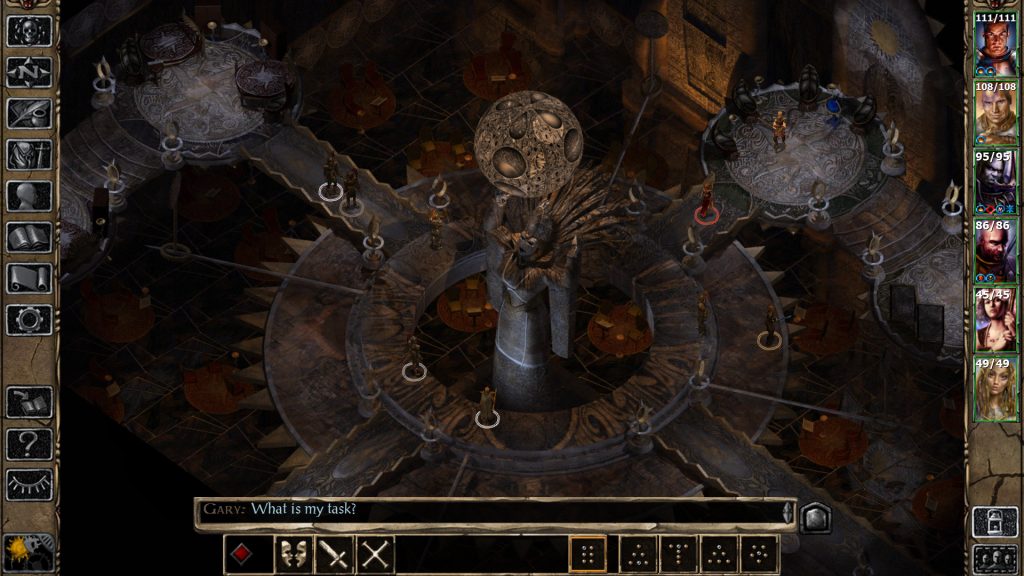
The RPG By Which All Others Are Measured
Before Baldur’s Gate 3 arrived and reminded everyone what a truly great RPG feels like, its predecessor spent twenty-five years quietly being the answer whenever anyone asked the question. BG2 is a game of extraordinary scope — a world populated with companions who have genuine personalities, backstories, and the alarming tendency to turn on you if you play against their values.
The writing has aged in a way that most games from 2000 simply haven’t. Irenicus remains the finest villain in RPG history: intelligent, articulate, genuinely threatening, and motivated by something more interesting than generic world domination. The combat system rewards understanding over button mashing. The lore is inexhaustible. Black Isle Studios and Bioware produced something that the decades have only improved in retrospect.
A game that deserves to be on this list on its own merits. The fact that its spiritual successor also makes the list is not coincidence — it is inheritance.
6. System Shock 2 (1999)
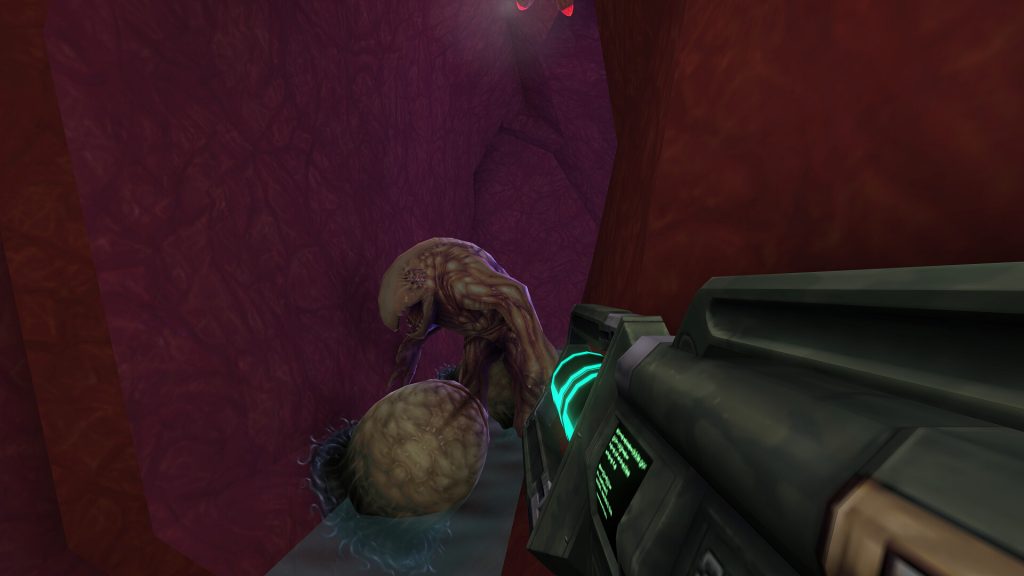
The Scariest Game Ever Made
SHODAN remains the most terrifying antagonist in gaming history. Not because she is physically threatening — System Shock 2 is not that kind of horror — but because she is genuinely intelligent, genuinely contemptuous of humanity, and genuinely right about several things she says to you over the course of the game, which is the most unsettling trick any horror game has ever pulled.
Developed by Irrational Games and Looking Glass Studios on a budget that would barely cover catering on a modern AAA production, System Shock 2 synthesised RPG progression, first-person exploration, resource management horror, and atmospheric storytelling into something that nobody else has quite managed to replicate in the twenty-five years since. The immersive sim genre — Deus Ex, BioShock, Prey, Dishonored — exists in its shadow.
It runs on modern hardware, it is available on Steam, and if you haven’t played it, you have a responsibility to yourself to correct that.
7. StarCraft (1998)
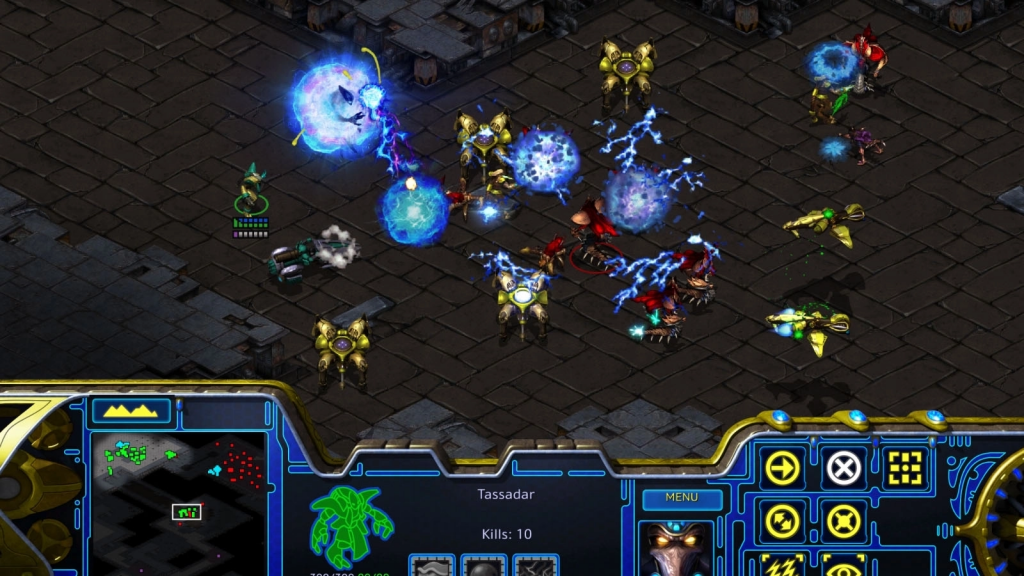
The Perfectly Balanced Impossibility
Three entirely different factions. Each with its own unit roster, tech tree, strategic identity, and playstyle. Perfectly balanced against each other. This should not be possible. Blizzard Entertainment did it anyway, and then refined it to such a degree that StarCraft became the national sport of South Korea — broadcast on television, played in stadiums, with professional players whose micro-management speeds remain physiologically baffling.
On a strategic level, StarCraft is still the definitive real-time strategy game. The Zerg swarm, the Terran adaptability, the Protoss precision — each faction rewards completely different approaches, and the interplay between them in competitive play produces a complexity that chess players have been known to study with professional interest.
Brood War, its expansion, remains actively played at the highest competitive level nearly thirty years later. The ESL’s StarCraft coverage is a testament to a game that refuses to be retired. No other RTS has come close to that longevity.
8. Deus Ex (2000)
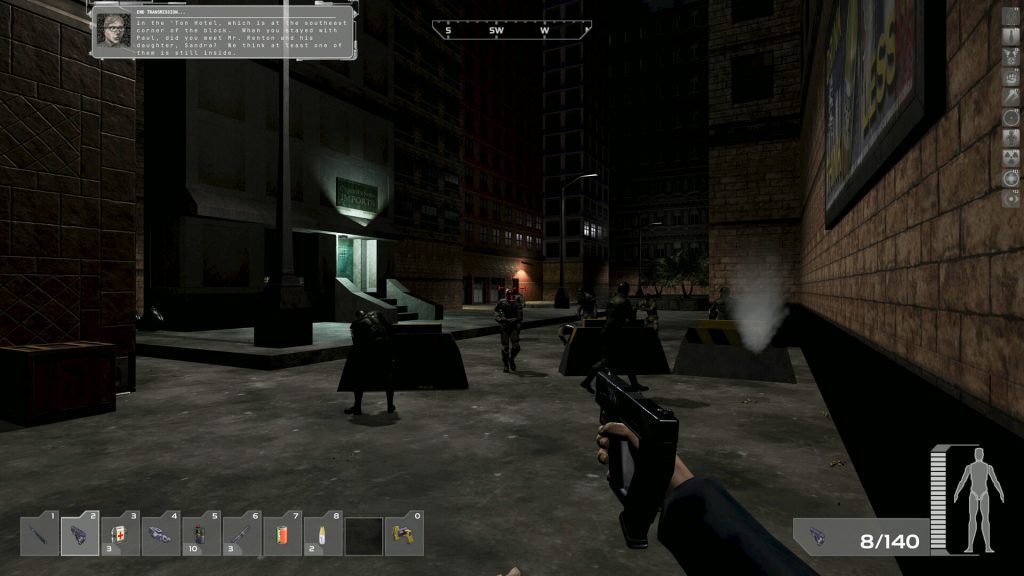
The Blueprint for Intelligent Gaming
Warren Spector’s masterpiece arrived in 2000 with a question that sounds simple and is not: what if a game let you solve every problem in the way that made sense to your version of the character, rather than the way the designers anticipated? The result was a game that could be completed through stealth, combat, hacking, conversation, or any combination thereof — and that contained a geopolitical conspiracy thriller of genuine sophistication underneath the mechanical freedom.
JC Denton is a government agent in a dystopian near-future where corporations control governments, surveillance is total, and the truth is buried under layers of competing agendas. The story was prescient in 2000. In 2026 it reads as reportage.
Deus Ex invented the modern immersive sim. It invented the modern conspiracy game. It proved that player agency and narrative coherence could coexist. And it did all of this while sporting some of the most entertainingly bad voice acting in gaming history, which is not a bug but a feature that the community has been quoting for twenty-six years. Ion Storm’s finest hour, by some distance.
9. Age of Empires II (1999)
Still The Best Strategy Game For Normal People
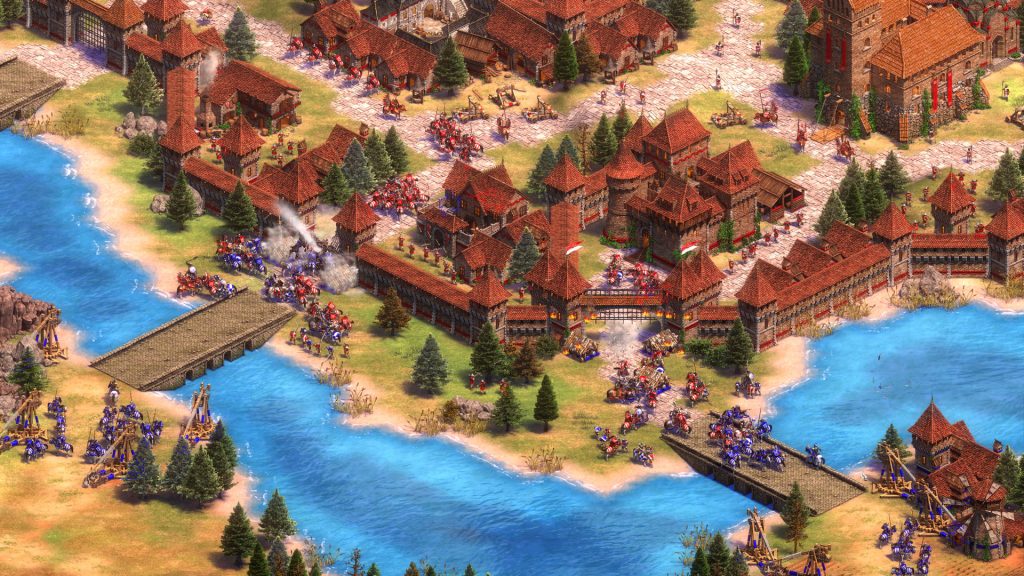
Age of Empires II occupies a specific and irreplaceable position in the strategy game pantheon: it is the one that people who don’t normally play strategy games have played, enjoyed, and remembered for the rest of their lives. Its genius is accessibility that doesn’t compromise depth — you can learn it in an afternoon and spend a decade mastering it, and both experiences are valid.
The Definitive Edition, released in 2019 and continuously updated since by World’s Edge, has brought AoE2 to a new audience while retaining everything that made the 1999 original essential. The competitive scene is thriving. The campaign content covers thirty-plus civilisations across genuine historical periods, each with distinctive units and architectural styles.
It also runs on virtually anything with a screen and a processor, which has always been part of the point.
10. Diablo II (2000)
The Loot Loop Perfected
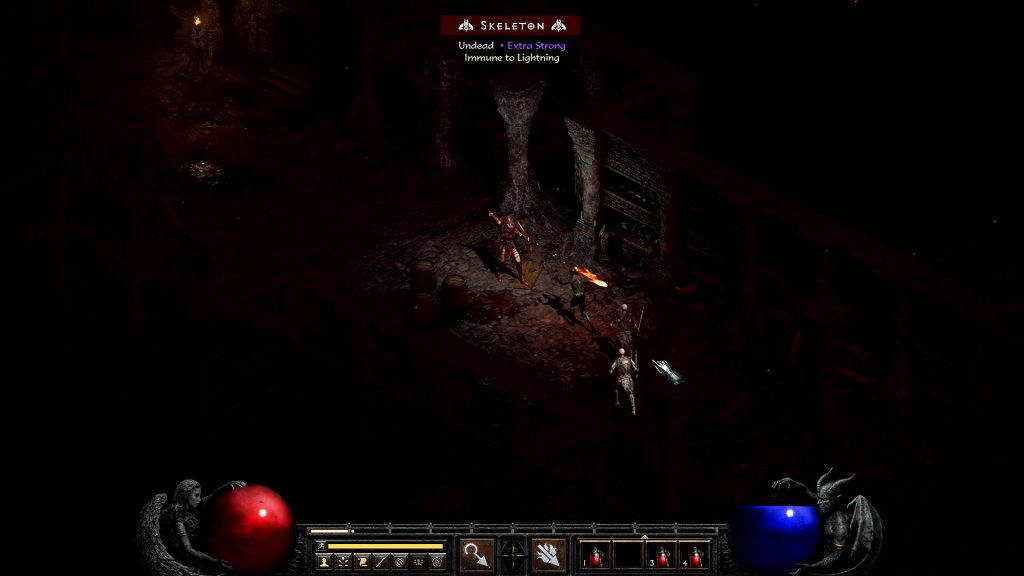
Every game that has ever asked you to kill something for a chance at a slightly better version of the thing you’re already holding owes a debt to Diablo II. Blizzard North’s 2000 masterpiece didn’t invent the action RPG, but it defined the template so completely that two decades of imitators have yet to meaningfully improve upon the fundamental loop: kill, loot, kill better things, loot better things, repeat until the sun rises and you can’t remember when you last ate.
The genius of Diablo II is that it makes repetition feel like progress without ever quite giving you everything you want. The Tyrael wing. The Grandfather sword. The perfect Enigma rune word. These items exist as distant horizons that you move toward across hundreds of hours, never quite reaching, and somehow never losing interest in pursuing.
Diablo II: Resurrected is the definitive version — visually restored, mechanically intact. The original design philosophy, which prioritised feel over explanation and reward over hand-holding, has never been bettered in the genre.
11. The Orange Box (2007)
Valve’s Greatest Impossible Act
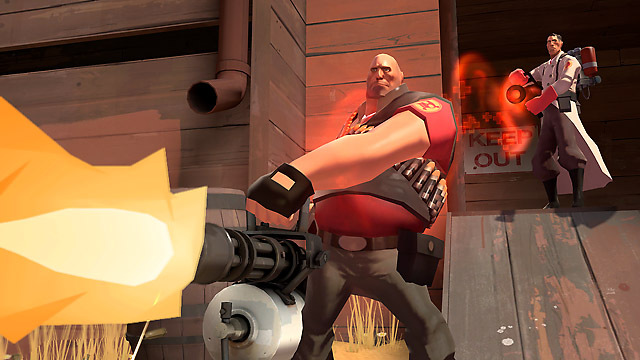
Back when Valve actually made games rather than platforms and peripherals, they pulled off the most audacious value proposition in the history of the medium. The Orange Box crammed Half-Life 2, Episodes One and Two, Team Fortress 2, and Portal onto a single disc for the price of one game. This remains the greatest bargain in gaming history and probably always will.
Half-Life 2 proved that physics could be more than boxes falling over — the gravity gun arrived and immediately became the most satisfying weapon ever put in a player’s hands. Portal introduced GLaDOS, the passive-aggressive AI who remains the finest villain-as-comedian in gaming, and produced a puzzle structure so elegant it has been studied in game design courses ever since. Team Fortress 2 launched a decade of free updates and a hat economy that has accumulated genuine monetary value.
Three genre-defining games. One box. Valve has not made anything this good since, which is the single most baffling fact in the history of the industry.
12. Thief: The Dark Project (1998)
The Original Immersive Sim
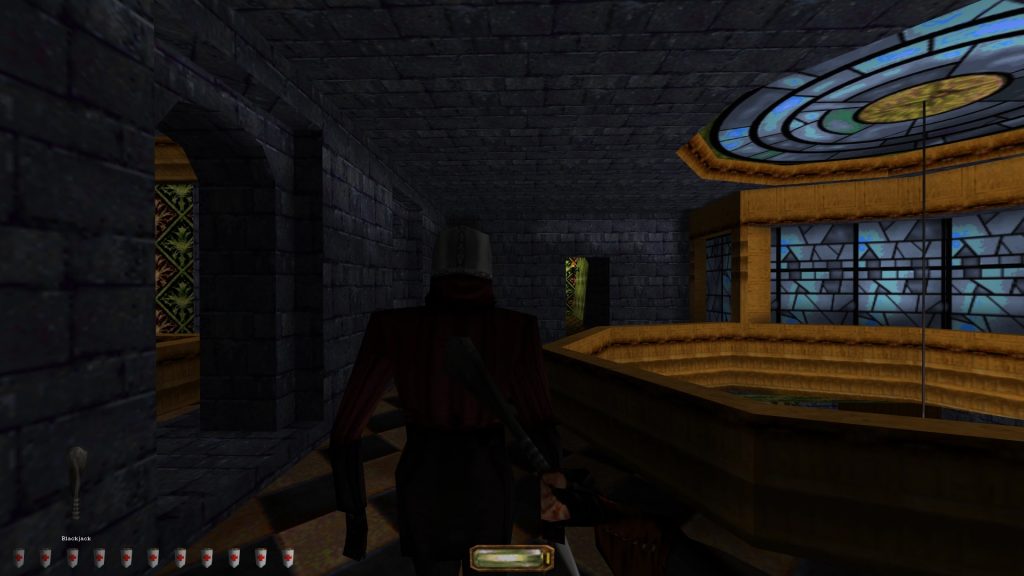
Before anyone had coined the term “immersive sim,” Looking Glass Studios built one and called it Thief. Garrett — a master thief operating in a gaslit city of guilds, magic, and mechanical men — became the template for every player-driven stealth protagonist who followed him.
What Thief understood that most games still don’t is that the player’s imagination is the most powerful tool available to a designer. The shadows you hide in, the footsteps you listen for, the routes you plan and re-plan as guards patrol — all of it exists primarily in the player’s head, constructed from audio design and level architecture of extraordinary sophistication. Thief made you feel genuinely clever when you succeeded and genuinely stupid when you didn’t, and both feelings were earned.
The sequel, Thief II: The Metal Age, is equally essential and arguably better designed. The 2014 reboot should be forgotten entirely for the sake of everyone’s wellbeing.
13. Planescape: Torment (1999)
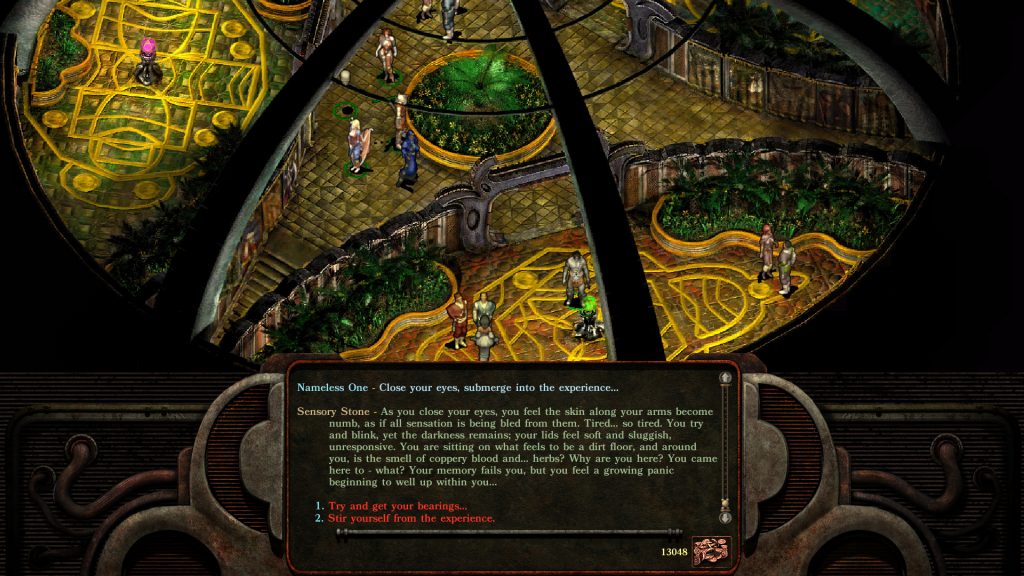
The Greatest Story Ever Told in a Game
The question is not rhetorical. “What can change the nature of a man?” is the question Planescape: Torment asks at its opening and spends sixty hours attempting to answer, across a setting so philosophically rich that it makes most fantasy worlds look like car parks.
The Nameless One — an immortal amnesiac who wakes on a mortuary slab and must reconstruct who he is from the fragments left by his previous incarnations — is the most interesting protagonist in the history of the medium. The companions he accumulates are stranger still: a floating skull with a bad attitude, a chaste succubus, a living suit of armour with an existential crisis. The dialogue is not game dialogue. It is literature that happens to have a conversation system attached.
Torment was a commercial failure in 1999. The subsequent three decades of critical reassessment have arrived at the correct conclusion. The Enhanced Edition is the place to start.
14. Counter-Strike (2000) / CS2 (2023)
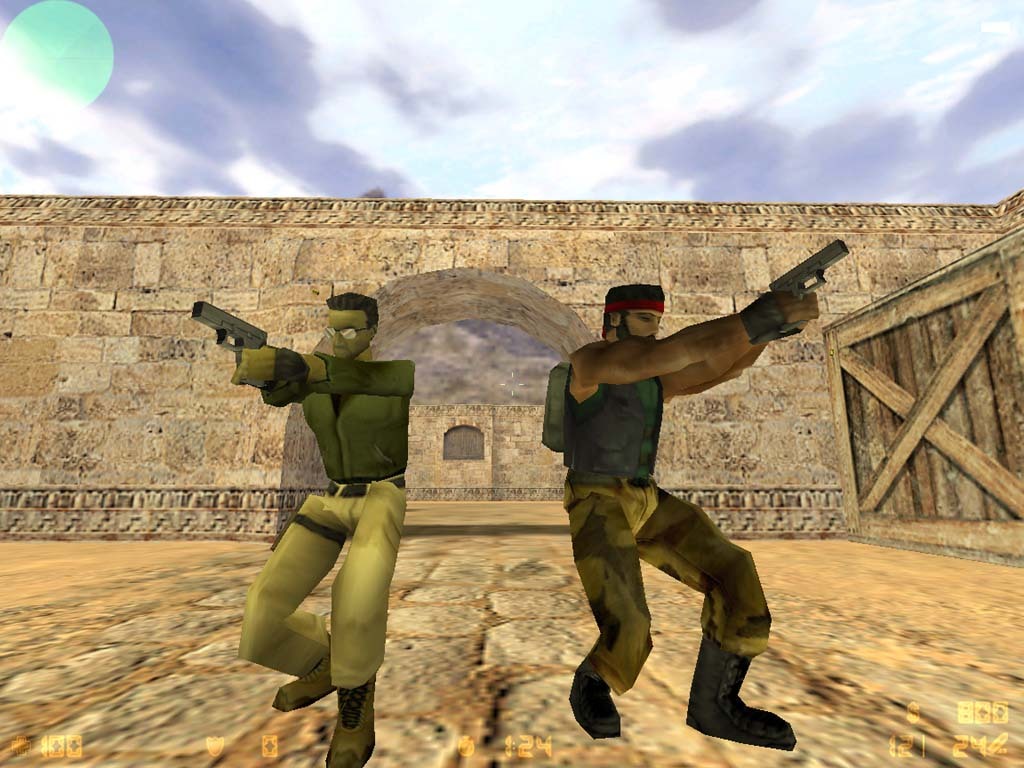
The Game That Refuses to Die
What began as a Half-Life mod built by two university students in 1999 became the definitive competitive shooter — not because of spectacle, not because of production values, but because the underlying geometry of a 5v5 bomb-defusal scenario, executed with absolute precision and zero forgiveness, is apparently inexhaustible.
Counter-Strike is the game of angles, economy, and making your teammates question their life choices through the medium of voice chat. It runs on virtually anything. It rewards skill with a purity that the aim-assist era has largely abandoned. The professional scene it generated — now operating under Counter-Strike 2’s banner — is one of the most enduring in esports, with tournaments that sell out arenas and prize pools that have funded several mortgages.
If you want to know how good you actually are at shooters, stripped of every safety net the genre has installed over twenty years, Counter-Strike will tell you. The answer is usually humbling.
15. Civilization IV (2005)
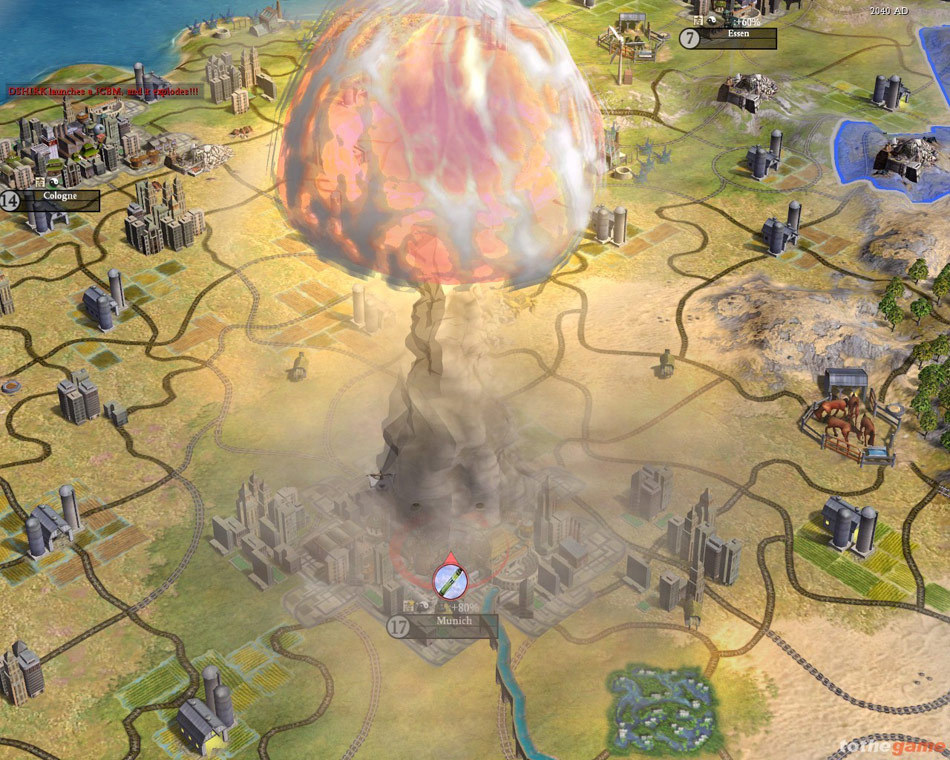
The Peak of the Mountain
We know. Civilisation VI is on everyone’s radar and sits on more active install lists. But Civ IV, with its Leonard Nimoy narration and its “one more turn” hypnosis operating at a sophistication the series has arguably never surpassed, is the one that deserves the place on a best-of-all-time list.
The religion system. The corporation mechanics. The cultural victory that genuinely felt like an alternative path rather than a consolation prize. The AI, which behaved with enough strategic intelligence to produce genuine surprise rather than mere obstacle. Firaxis Games built Civ IV at the height of their intellectual ambition — a simulation of human history that rewarded understanding its systems rather than simply accumulating resources until the numbers won.
If you’ve only played the more recent entries, Civ IV: Beyond the Sword is worth the archaeology. Some mountains don’t get taller with age.
16. World of Warcraft (2004)
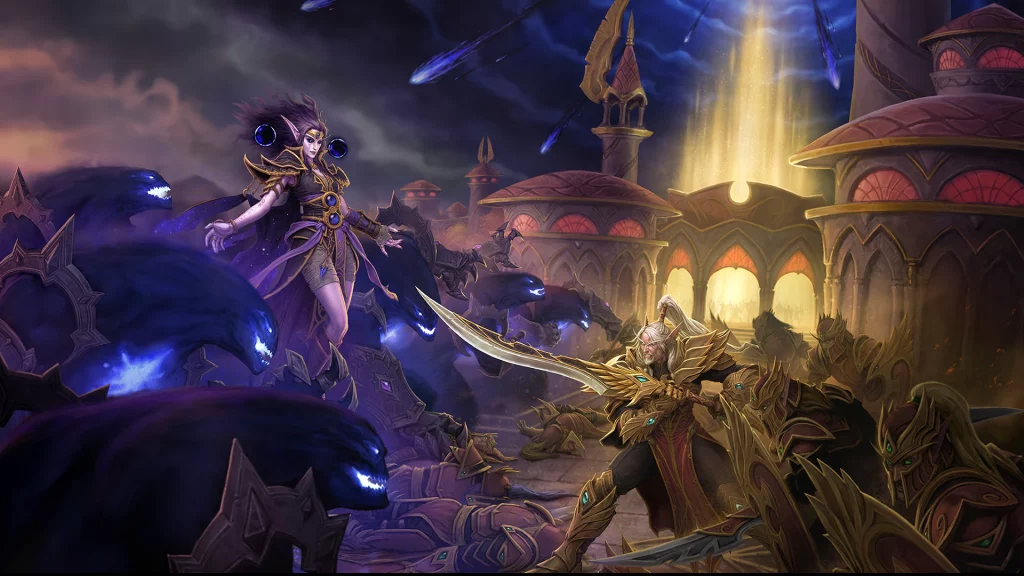
The Game That Ate Several Years of Lives
Still the undisputed heavyweight champion of the MMORPG. Still, improbably, running. World of Warcraft arrived in 2004 and proceeded to consume more aggregate human hours than any entertainment product in history — a second world so complete and socially complex that friendships, relationships, and occasional careers were built inside it.
The genius of WoW at its peak was that it made everything feel like progress. Kill a boar, get experience. Complete a quest, get a reward. Reach a level, get new abilities. The Skinner box has never been more elegantly disguised as meaningful achievement, and millions of players spent years inside it without noticing the mechanism because the world itself was genuinely wonderful.
The Classic servers — allowing players to return to the 2004 experience — have demonstrated that the original design holds up in ways the live game’s subsequent expansions have not always matched. Blizzard built something in 2004 that they have been living off, and occasionally diminishing, ever since.
17. Minecraft (2011)
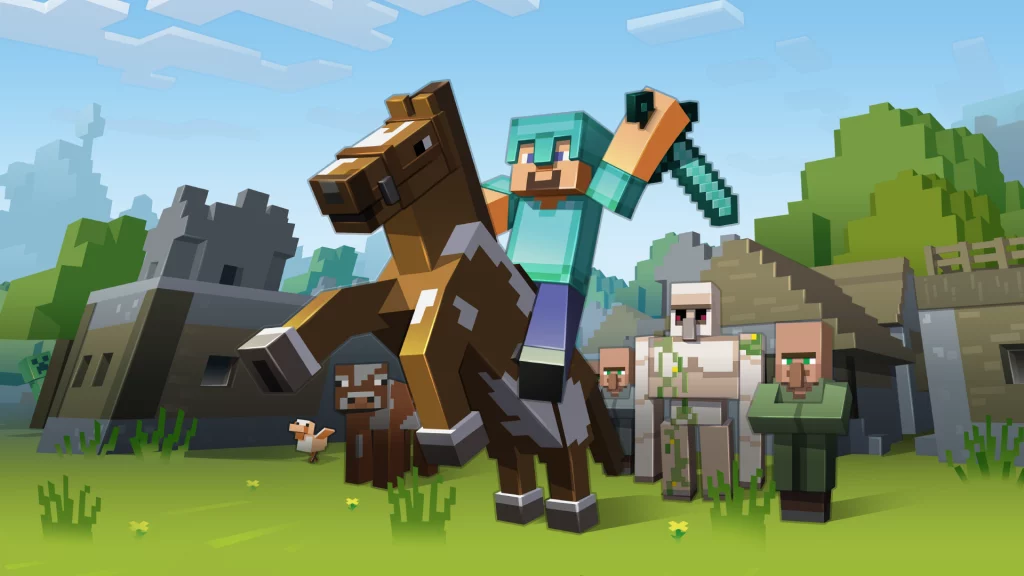
The Infinite Game
One man’s hobby project. Two and a half billion dollars. Somewhere between those two facts is the most culturally significant game the medium has ever produced — a digital sandbox so open-ended that its ceiling is effectively the player’s imagination, which means it has no ceiling at all.
Minecraft is the game that taught a generation that creation is more interesting than consumption, that the most rewarding experiences are often self-directed rather than prescribed, and that a blocky aesthetic is not a limitation but an invitation. On PC, with shaders that transform its cubic geometry into something that competes with photorealistic engines, it is also proof that art direction transcends polygon count.
The modding community has produced entire new games inside Minecraft’s framework. The education sector adopted it as a teaching tool. It has outlasted every trend that was supposed to replace it. When historians of the medium look back at the games that mattered, Minecraft will be near the top of the list — not despite its simplicity, but because of it.
18. Dark Souls (2012)
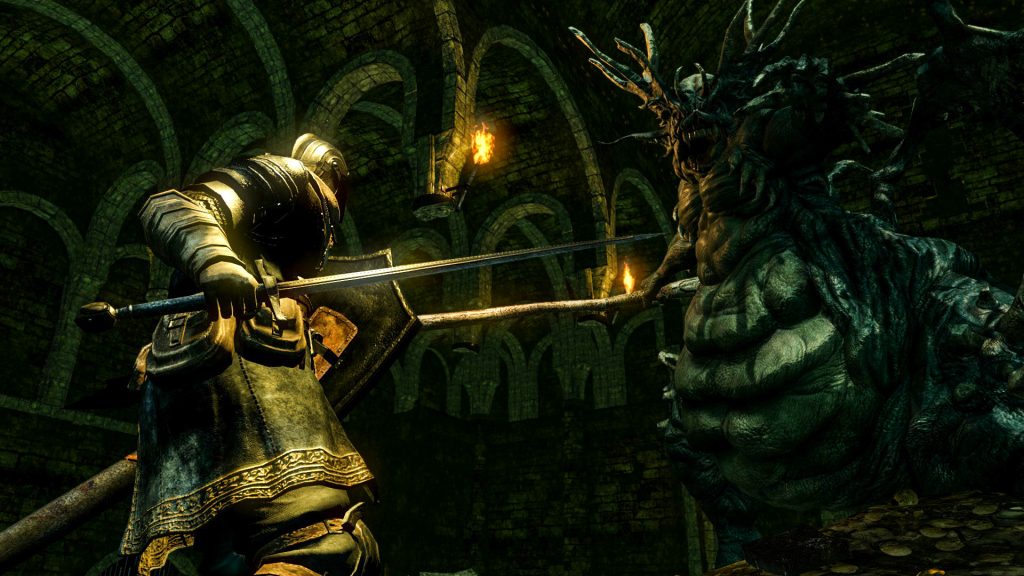
The Game That Redefined Difficulty
There is before Dark Souls and after Dark Souls. Everything that came before it understood difficulty as an obstacle — something to be overcome or optioned away. FromSoftware’s 2012 masterpiece understood difficulty as a language — a means of communicating the weight of the world, the fragility of life within it, and the extraordinary satisfaction available to those willing to learn its grammar.
Hidetaka Miyazaki built Lordran as a place that exists entirely without regard for the player’s comfort. There is no hand-holding. There are no quest markers. There are no difficulty sliders, no safety nets, and no apologies. What there is, instead, is a world of extraordinary coherence and atmosphere — an interconnected map that reveals its own geography gradually, rewarding exploration with discoveries that feel genuinely earned rather than placed for convenience.
The combat is precise to a degree that exposes the sloppiness of everything that surrounds it in the genre. Every death is legible. Every failure teaches something. The moment of finally defeating a boss that has killed you seventeen times produces a satisfaction that no game offering a difficulty slider can replicate, because the difficulty slider is the thing that makes the satisfaction possible. You cannot earn something you were never in danger of losing.
Dark Souls spawned an entire genre — the Soulslike — and a critical vocabulary around game design that persists across every conversation about challenge and reward in games today. The Prepare to Die Edition remains the place to start, though the Remastered version is the more accessible entry point for modern hardware. Either way, prepare accordingly.
19. Baldur’s Gate 3 (2023)
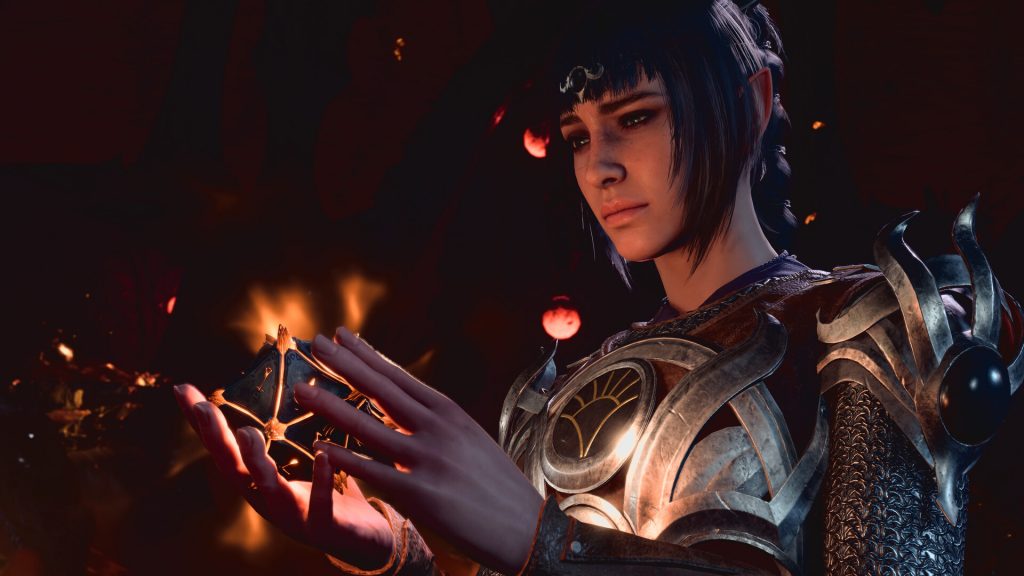
The Heir Takes the Throne
Larian Studios spent four years in Early Access building something that had no right to be as good as it is — a faithful translation of Dungeons and Dragons 5th Edition into a video game format so complete that it has made tabletop groups question what they’re doing with their Thursday evenings.
The writing is exceptional throughout, from the main quest’s cosmic stakes to the smallest environmental story tucked in a corner of a dungeon that nobody is obligated to find. The companions are the best ensemble in the genre since BG2’s own party — each with genuine arcs, genuine conflicts, and the alarming tendency to have opinions about your decisions that diverge significantly from your own. Astarion alone is a masterclass in how to write a morally complex character without making him either redeemable on demand or irredeemably evil.
The freedom is real rather than cosmetic. You can kill story-critical characters. You can solve major plot points through routes the designers buried rather than flagged. You can be a hero, a villain, or something considerably stranger. It earned a Metacritic score of 96 and won virtually every game of the year award available to it in 2023 — recognition that, for once, felt entirely deserved.
20. Grand Theft Auto V (2013)
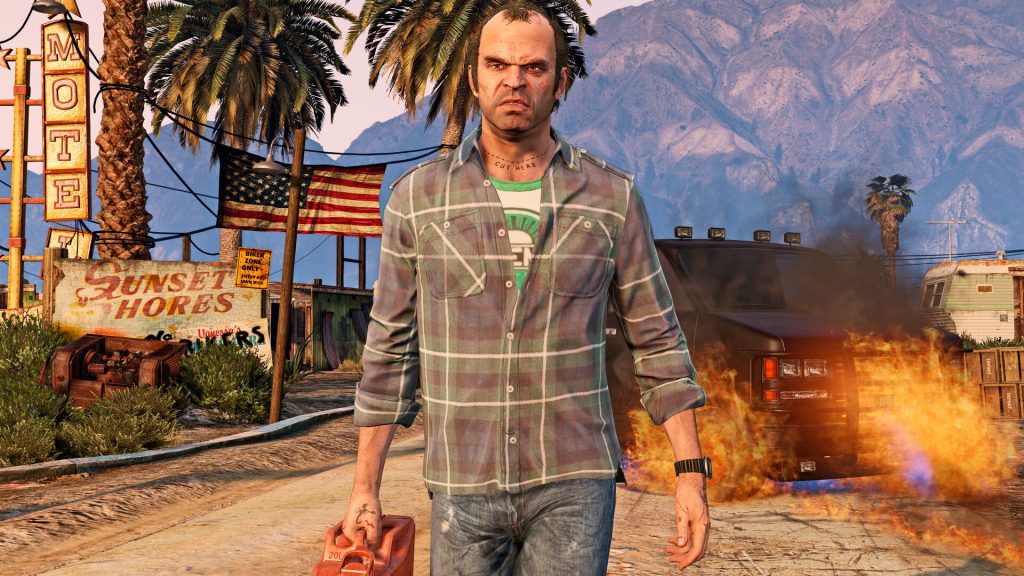
The Satirical Masterpiece
Rockstar Games’ magnum opus landed in 2013 with three protagonists — Michael, Trevor, and Franklin — who represent three different relationships with the American dream and its inevitable disappointments. Michael is what success looks like when it hollows you out. Trevor is what happens when someone removes every social filter and lets the impulses run. Franklin is the ambition that the system keeps promising to reward and never quite does.
As satire of contemporary America it is not subtle. It is not trying to be. GTA V’s Los Santos is a funhouse mirror reflection of a culture that worships wealth, celebrity, and violence with cheerful indifference to the consequences, and the game allows you to inhabit that reflection with gleeful complicity before occasionally making you feel the weight of it.
On PC, with the settings cranked to maximum and the modding community’s decade of improvements applied, it remains one of the most technically impressive open worlds ever built. GTA Online is a separate civilisation — chaotic, occasionally maddening, and somehow still running thirteen years after launch.
21. Red Dead Redemption 2 (2019)
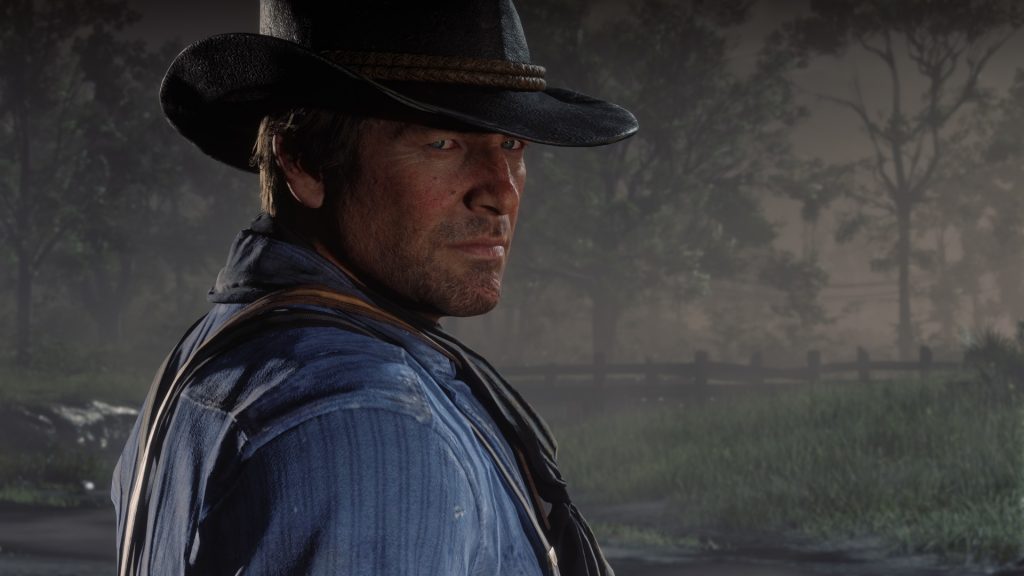
Rockstar’s Most Patient Masterpiece
Where GTA runs hot, RDR2 runs cold and slow and deliberate — a story of a man who understands, somewhere in the opening hours, that the world he was built for no longer exists and the world replacing it has no place for him. Arthur Morgan is among the finest characters in any entertainment medium: flawed, self-aware, capable of both extraordinary violence and unexpected tenderness, and heading toward an ending that the game earns through thirty hours of accumulated character work.
The PC version, which arrived a year after the console release, is the definitive one. The visual detail — individual blades of grass, individual animal behaviours, weather systems of genuine complexity — is not superficial decoration. It is world-building through texture and specificity. You believe in the world because the world behaves as if it exists whether you’re in it or not.
Some players bounced off its deliberate pacing. Those players missed something significant, and there is still time to go back.
22. Elden Ring (2022)
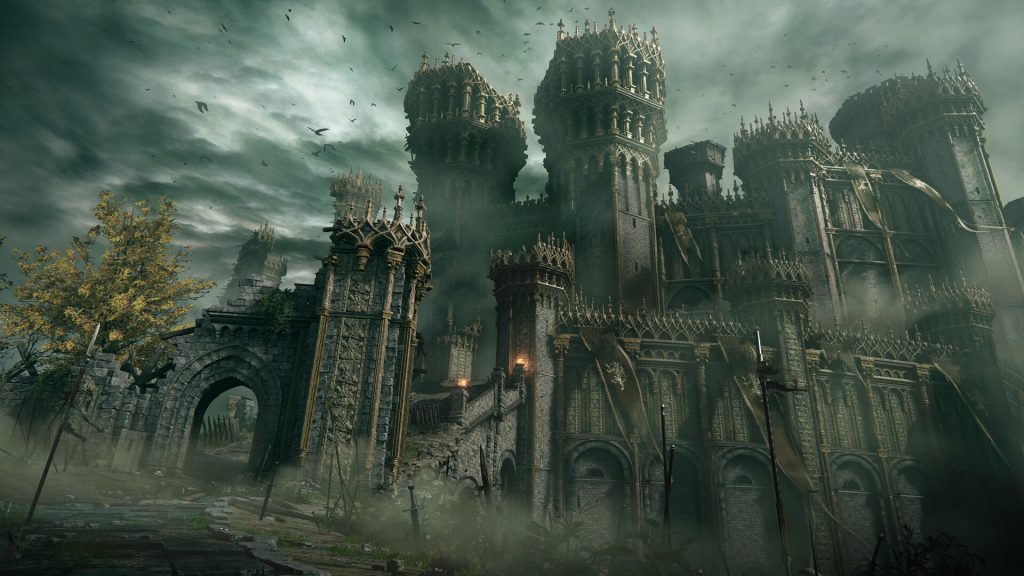
FromSoftware’s Greatest Achievement
Hidetaka Miyazaki and George R.R. Martin is a collaboration that sounds like a marketing pitch and delivered a masterpiece. Elden Ring took FromSoftware’s established grammar of precise, punishing, rewarding combat and applied it to an open world of genuine scale — a Lands Between that rewards exploration with discoveries that feel genuinely earned rather than algorithmically generated.
The transition from interconnected dungeon design to open world could have diluted what makes Soulsborne games special. Instead it amplified it. The freedom to approach the world’s challenges in any order means the game’s difficulty becomes partially your own construction — venture into an area you’re not ready for, and the consequences are your own, which is exactly as it should be.
It sold over 25 million copies and achieved a Metacritic score of 95 on PC — commercial and critical validation that rarely arrive in the same package so convincingly.
23. Skyrim (2011)
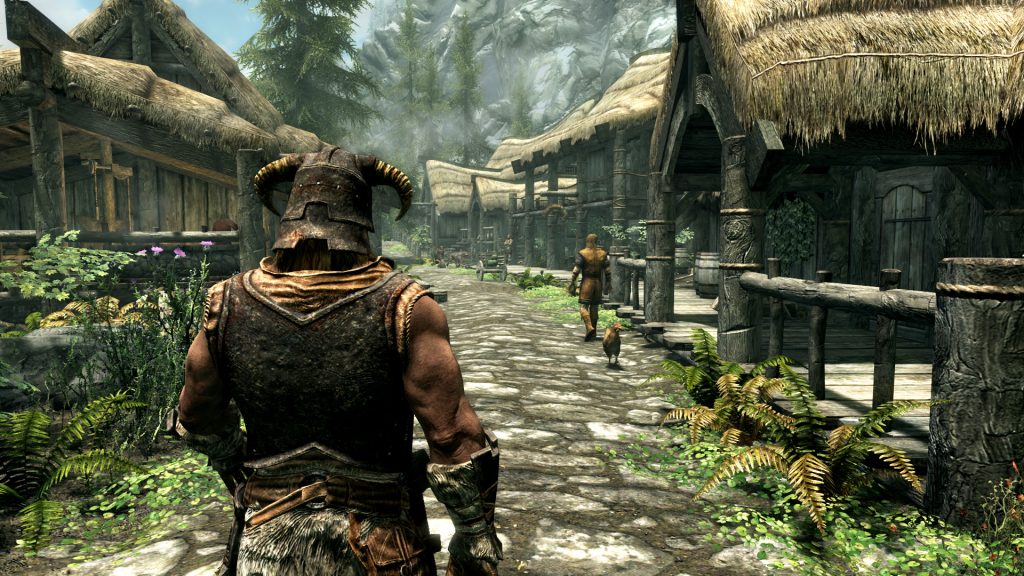
The Modder’s Infinite Canvas
Bethesda Game Studios has released Skyrim on every platform including, reportedly, several household appliances. The cynicism of that is not in dispute. What is also not in dispute is that on PC, with the modding community’s fifteen years of continuous improvement applied, Skyrim is a fundamentally different and superior product to anything running on a fixed platform.
The modders have rebuilt the combat. Rebuilt the economy. Rebuilt the magic system, the AI, the graphical fidelity, and the quest logic. They have added thousands of hours of new content via the Nexus modding community. They have fixed bugs Bethesda never bothered to address. They have, in some fundamental sense, finished the game that Bethesda shipped and moved on from.
Skyrim without mods is a very good open world RPG. Skyrim with the right mods is an experience that justifies owning a gaming PC specifically to play it. The distinction is the point.
24. Terraria (2011)
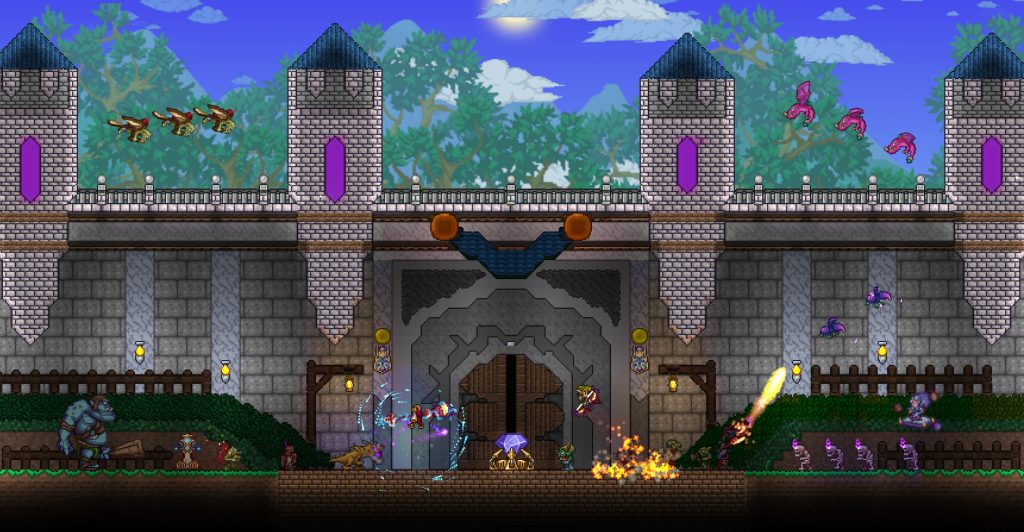
The Game That Proves 2D Isn’t a Limitation
Everything Minecraft does in three dimensions, Terraria does in two — and does it with a depth of progression, combat complexity, and boss encounter design that its blocky cousin cannot match. Re-Logic’s perpetually updated sandbox is one of the greatest value propositions in the history of the medium: a one-time purchase that has received major free updates for over a decade, each expanding the game’s already considerable scope.
The progression from a wooden sword to endgame gear passes through hundreds of hours of discovery, building, mining, and encountering bosses of gradually escalating ambition and visual spectacle. The final boss fights are, by any reasonable measure, extraordinary achievements for a 2D game made by a tiny studio.
Terraria gets overlooked in conversations like this because it is two-dimensional and cheap and available on everything. These things make it more impressive, not less. At time of writing it maintains an overwhelmingly positive rating on Steam from over a million reviews — a number that speaks for itself.
25. Half-Life: Alyx (2020)
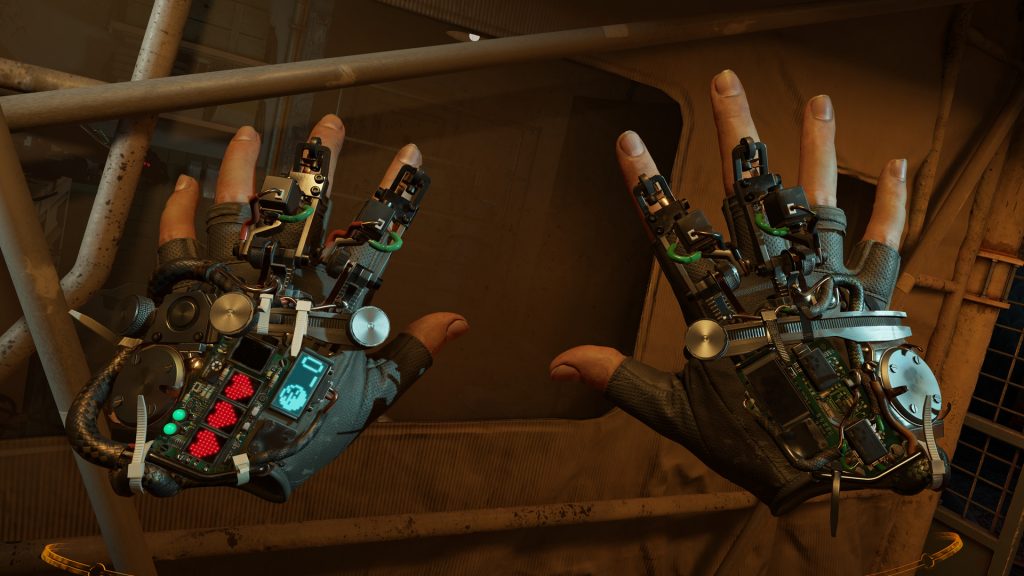
The Future, Briefly Glimpsed
We are aware that this requires a VR headset. We include it anyway because the conversation about the best PC experiences cannot be complete without acknowledging the one moment in the last decade where virtual reality stopped being a novelty and became an argument.
Half-Life: Alyx is the best case that has yet been made for VR as a serious gaming platform — a full-length, full-budget, full-ambition entry in Valve’s most important franchise, designed from the ground up for an experience that no flat screen can replicate. The moment you pick up a bottle and throw it at a zombie in a world that responds with complete physical conviction is the moment the technology becomes real rather than theoretical.
Whether VR achieves the mainstream adoption Alyx deserves is still uncertain. What is certain is that within its own terms — as a showcase for what PC hardware can enable that no other platform can — it belongs on this list. Not as a curiosity, but as a genuine achievement. Valve’s own Index headset remains one of the finest ways to experience it.
The Final Word
Thirty-plus years. Hundreds of essential games. Twenty-five entries, and we’ve already been unconscionably unfair to Crusader Kings, Deus Ex: Human Revolution, Doom 2016, Portal 2, StarCraft II, Total War, Kerbal Space Programme, and approximately four hundred other games that have legitimate claims to this list.
That’s the point, and it’s also the best possible argument for the platform. No other gaming medium has produced this volume of essential, genre-defining, decades-spanning excellence. The console exclusives that get celebrated — and several of them deserve the celebration — are outnumbered by what the PC has generated by an embarrassing margin.
The mouse and keyboard. The upgradeable hardware. The modding community. The backwards compatibility stretching back to the 1980s. The platform that lets you run a 1993 masterpiece and a 2023 masterpiece on the same machine, with the same account, in the same afternoon.
If this list has done anything useful, it has reminded you of at least one game you haven’t played yet. Go fix that. The drivers can wait.
Disagree violently? Good. Tell us which games we’ve criminally omitted in the comments. We’ve almost certainly earned it.