
There was a time — not too long ago — when gaming on anything other than Windows was about as practical as buttering toast with a rake. Mac? Forget it. Linux? Only if you enjoyed writing bash scripts at midnight just to get Half-Life 2 to run at thirty frames while questioning every life decision that led you to that point. Windows, bloated as it was, held the throne — mostly by default, and mostly because the alternatives were too painful to bother with.
That time is over. Not loudly, not with fanfare, not with a dramatic press conference or a billion-dollar marketing campaign. It ended quietly, the way most genuinely significant shifts in technology tend to — with a series of incremental improvements that crossed a threshold so gradually that by the time most people noticed, the threshold was already well behind them.
SteamOS is no longer just the operating system inside the Steam Deck. It’s installable on third-party handhelds, on desktop PCs with compatible hardware, and increasingly, it’s what manufacturers are choosing to put on new gaming devices rather than paying Microsoft for the privilege of Windows. And it works. Not “works for a Linux enthusiast with a spare afternoon and a tolerance for troubleshooting.” Works for normal people, in the way that things need to work for normal people for a platform shift to actually happen.
Microsoft has noticed. The response — delayed handheld hardware, sudden urgency around Windows gaming optimisation, quiet acknowledgement in developer communications that the status quo cannot be assumed — is the behaviour of a company that has been handed a credible problem for the first time in decades.
What Proton Actually Changed
To understand why SteamOS is dangerous now when it wasn’t five years ago, you have to understand what Proton is and what it has quietly become.
Proton is Valve’s compatibility layer — built on Wine and augmented with Valve’s own work — that allows Windows games to run on Linux without modification. When it launched in 2018, it was impressive in theory and inconsistent in practice. Some games ran beautifully. Others didn’t run at all. The compatibility database was patchy, anti-cheat systems were a persistent wall, and the experience of managing Proton versions for different titles required a level of enthusiasm that most gamers simply don’t have.
In 2026, that situation has changed so substantially it barely resembles its origins. Proton now handles the vast majority of the Steam library with a compatibility rate that would have seemed delusional to claim five years ago. DirectX 11 and 12 titles run through translation layers so efficiently that benchmarks regularly show Linux performance matching or exceeding Windows on equivalent hardware — partly because the games run well, and partly because Windows is carrying decades of accumulated overhead that Linux simply isn’t burdened with.
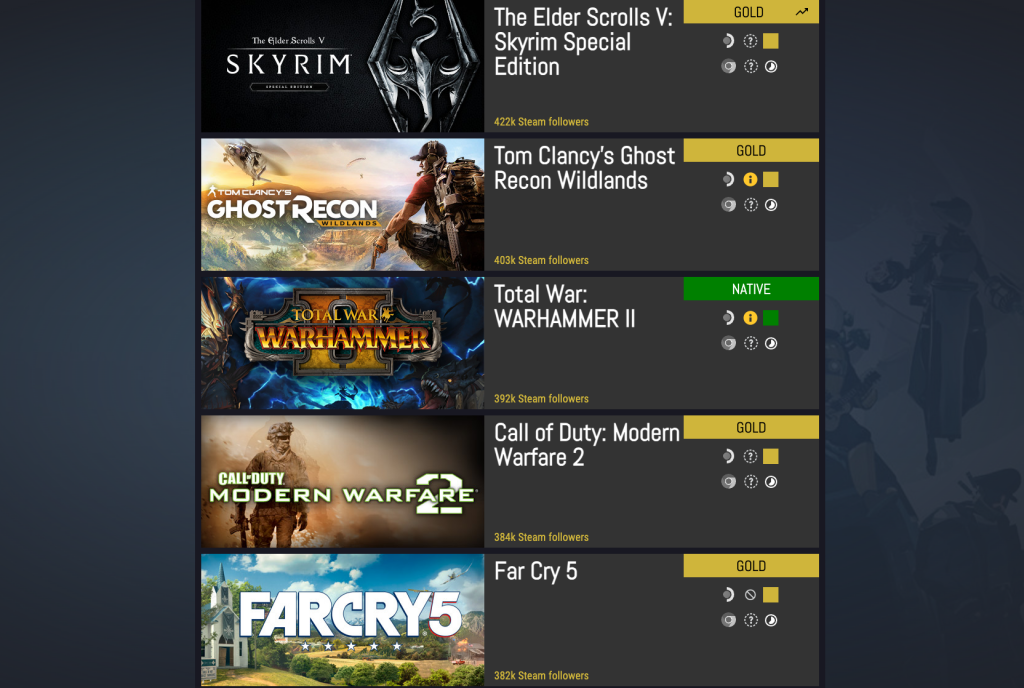
The anti-cheat situation, historically the hardest wall to break through, has cracked significantly. Easy Anti-Cheat and BattlEye — the two systems that between them cover the majority of multiplayer titles — both now support Linux natively. The number of games actively broken by anti-cheat on SteamOS has dropped from a significant proportion of the competitive library to a manageable minority that continues to shrink with each update cycle.
None of this happened by accident. Valve has invested heavily and consistently in Proton’s development, treating it not as a nice-to-have but as the infrastructure on which their entire hardware strategy depends. The Steam Deck’s commercial success required Proton to work. Proton working required years of focused engineering. That work is now paying dividends that extend well beyond the Steam Deck itself.
The Hardware Manufacturer Calculation
Here is the argument that concerns Microsoft most, and it has nothing to do with individual gamers choosing Linux over Windows.
Every gaming handheld that ships with Windows pays Microsoft a licensing fee. Every gaming handheld that ships with SteamOS pays Microsoft nothing. As the handheld gaming market continues its rapid growth — driven by the Steam Deck’s success and the subsequent proliferation of devices from Asus, Lenovo, MSI, and others — that licensing calculus becomes increasingly uncomfortable for manufacturers operating on thin margins in a competitive space.
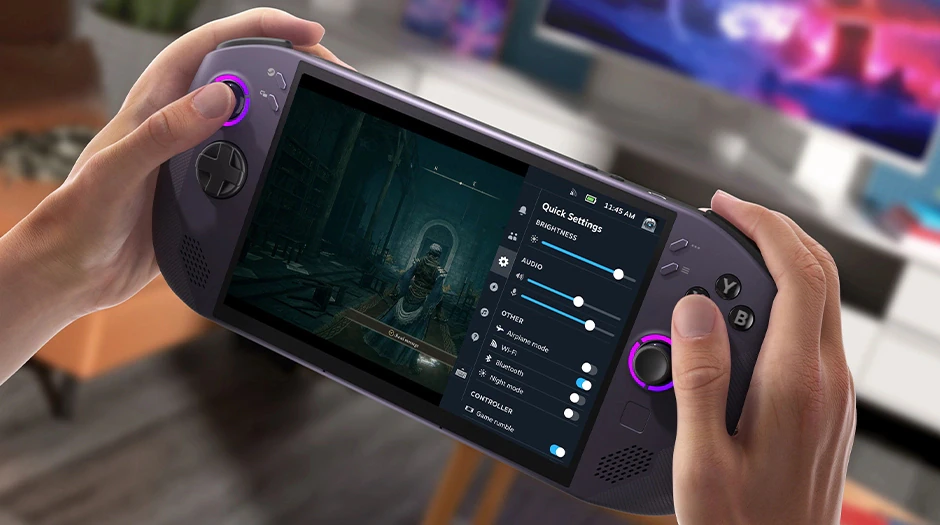
SteamOS offers something Windows currently cannot: an operating system designed specifically for gaming hardware, optimised for the specific demands of handheld devices, with a front-end that works with a controller without configuration, and the backing of a platform that owns the largest PC game distribution network in the world. For a manufacturer building a gaming device, the question is no longer “why would we use SteamOS instead of Windows?” It is becoming “why wouldn’t we?”
Windows on gaming handhelds has always been a compromise. The operating system was not designed for devices with small screens, limited power budgets, and controller-primary input. The desktop interface is functional in the way that a tent is functional as permanent housing — it works, technically, but it was clearly built for different circumstances. SteamOS’s Big Picture mode is not a workaround bolted onto a desktop OS. It is the operating system’s primary interface, designed from the ground up for exactly the form factor it’s running on.
Asus’s ROG Ally and its successors have demonstrated that Windows on a handheld is a marketable product. They’ve also demonstrated, repeatedly, that it produces user experience friction that SteamOS handles more gracefully. The gap between the two platforms on handheld hardware is wider than most Windows-first coverage of the space acknowledges.
The Desktop Question
The more speculative — and more interesting — question is what happens if Valve decides to properly support SteamOS for desktop PCs.
The current situation is that SteamOS is technically installable on desktop hardware, but it’s not officially supported in the way the Steam Deck version is. Valve has been cautious about positioning SteamOS as a Windows replacement for desktop gaming, presumably because the driver support complexity of the full desktop PC market is orders of magnitude greater than the known hardware configuration of their own device.
But the trajectory is clear. Every improvement made to SteamOS for the Steam Deck and third-party handhelds improves the desktop experience simultaneously. Every game that achieves Verified or Playable status on the Steam Deck is a game that runs on Linux. The infrastructure for a properly supported desktop SteamOS is being built incrementally, whether that’s the stated intention or not.
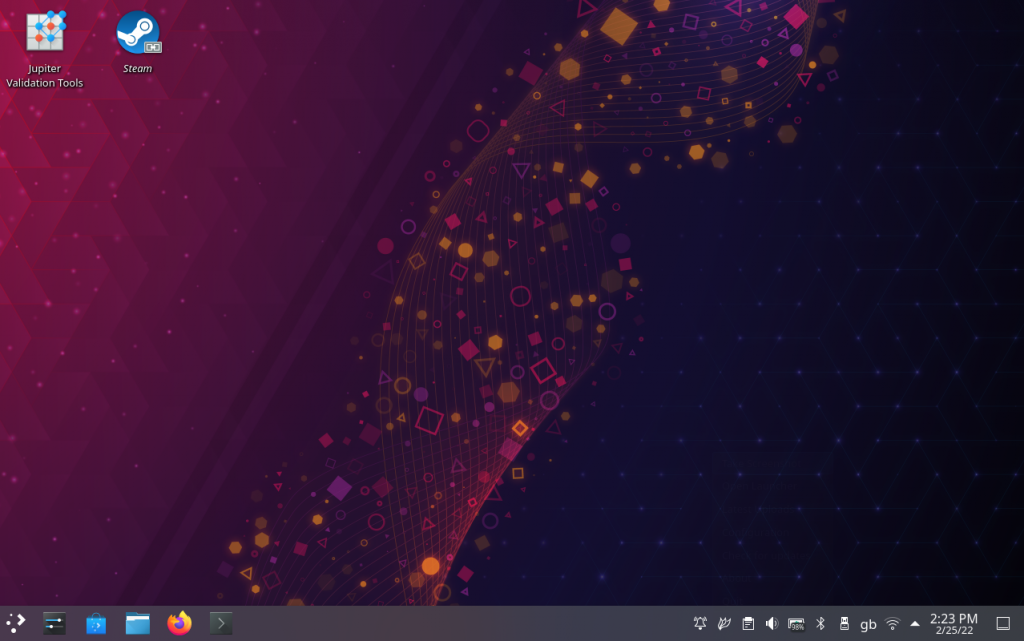
What would a first-class desktop SteamOS look like? A one-click installer for supported hardware configurations. Automated driver management that handles the cases most likely to cause problems. A desktop mode that’s genuinely usable for gaming-adjacent tasks without requiring Linux expertise. GPU software integration for NVIDIA and AMD that matches the Windows experience for performance tuning and monitoring.
None of that is technically insurmountable. Most of it is already partially in place. The question is whether Valve decides it’s worth the support burden — and given the competitive implications for Steam’s platform dominance, the answer might eventually be yes.
When that happens, the conversation changes entirely. Right now, SteamOS is a legitimate choice for handheld gaming and a viable but niche choice for desktop gaming. A first-class desktop release would make it a genuine mainstream alternative for a significant proportion of the PC gaming audience — specifically the audience that games exclusively through Steam, has no dependency on Windows-specific software, and has been putting up with Microsoft’s operating system primarily because there was nothing better.
That audience is larger than Microsoft would prefer to admit.
What Microsoft Is Actually Afraid Of
Microsoft’s fear isn’t that every Windows gamer will immediately switch to SteamOS. That’s not how platform migrations work and it’s not a realistic near-term scenario.
“Competition doesn’t need to win to be threatening. It only needs to exist at sufficient quality to make the alternative matter.”
What Microsoft is afraid of is the margin compression. Windows’ dominance of PC gaming has never required Windows to be good. It has only required Windows to be the only viable option. The moment SteamOS becomes genuinely viable for a meaningful percentage of gaming use cases, Microsoft loses the monopoly pricing power it has always used to justify Windows’ licensing costs to hardware manufacturers. Competition doesn’t need to win to be threatening. It only needs to exist at sufficient quality to make the alternative matter.
The evidence that this calculation has registered in Redmond is visible in Microsoft’s gaming-focused behaviour over the last two years. The DirectStorage API — bringing console-style asset streaming to PC — arrived with unusual urgency. Windows improvements to gaming mode have accelerated. The Auto HDR feature, which would have been unthinkable as a Windows investment five years ago, exists because Microsoft needed something to offer gamers that SteamOS couldn’t immediately match. Xbox Game Pass on PC has been pushed harder than its install numbers would otherwise justify, because a gamer with a significant Game Pass investment has a reason to stay on Windows that a pure Steam library doesn’t provide.
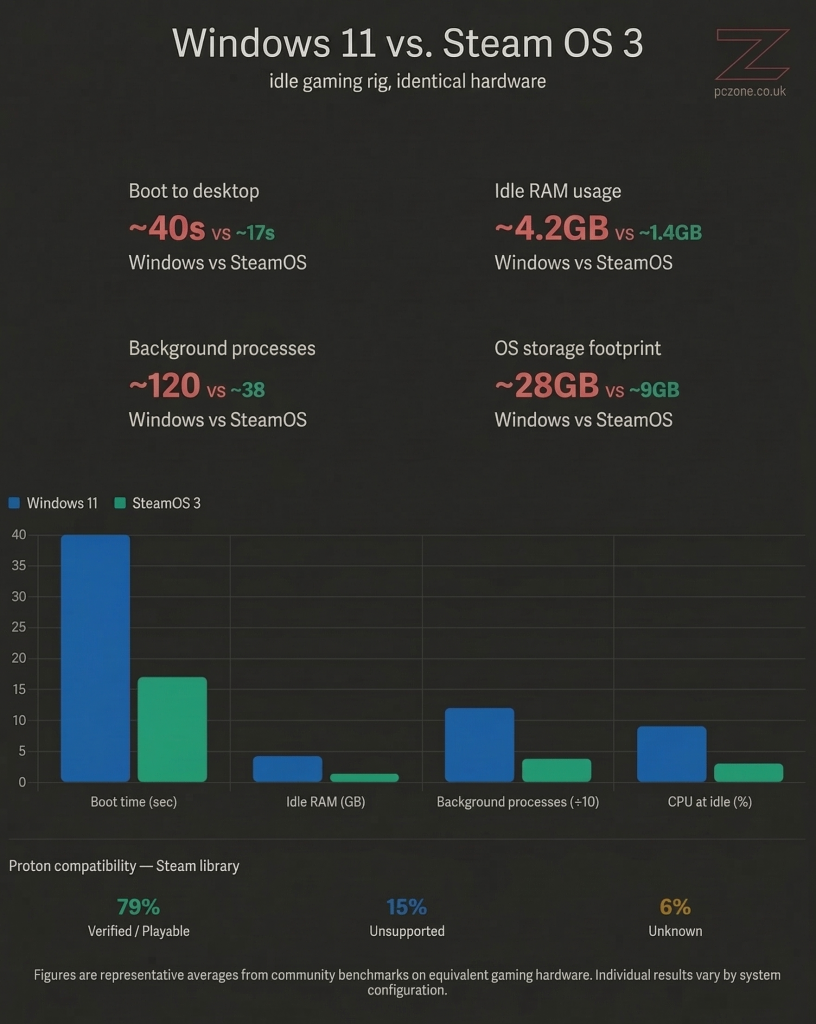
These are not the actions of a company that isn’t paying attention. They are the actions of a company that has received a credible signal and is responding to it — perhaps not with the urgency the situation warrants, but responding nonetheless.
Valve Doesn’t Need to Beat Windows — Just Make It Optional
The most important thing to understand about SteamOS as a competitive force is that Valve doesn’t need to win the OS war. They don’t need SteamOS to become the majority gaming platform. They don’t need to unseat Windows from corporate desktops, creative workstations, or any of the other contexts where Windows’ dominance is genuinely entrenched.
They just need SteamOS to be good enough that choosing it is a reasonable decision for a gaming-focused user. They need it to be the answer to the question “why am I paying for Windows and putting up with its overhead when I only use this machine to play games?”
For a growing number of PC gamers, that question has a new answer in 2026. Not a perfect answer, not an answer without caveats, but a real one — backed by a library of tens of thousands of compatible titles, a hardware ecosystem that increasingly ships with SteamOS as a first-class option, and an operating system that is visibly improving on a timeline that Windows gaming optimisation has never managed to match.
Valve cares about one thing: Steam. Everything they build serves Steam. SteamOS is the purest expression of that focus — an operating system that exists specifically to play games, built by people whose business depends on games being played, running on hardware sold by a company with no enterprise obligations, no legacy corporate software to maintain compatibility with, and no quarterly earnings call to explain why the gaming division is prioritised over the productivity division.
Microsoft, by contrast, is an enterprise software company that also sells an operating system that also happens to run games. The difference in institutional priority is not incidental. It shows in the product.
The Verdict
SteamOS is not going to replace Windows tomorrow. It is not going to replace Windows for everyone, ever. For the significant portion of PC users whose computing life extends beyond gaming, Windows remains the practical choice and will for the foreseeable future.
But for the PC gamer whose machine is primarily a gaming machine — who boots into Steam, plays their library, and has been tolerating Windows’ bloat because the alternative was too difficult — SteamOS in 2026 is a genuine option in a way it simply wasn’t before. And “genuine option” is all it needs to be to matter.
Microsoft has had thirty years of PC gaming more or less to itself. The competition is here. It’s free, it’s focused, it’s getting better faster than Windows is, and it runs on the same hardware Microsoft needs to sell its OS licenses on.
If that’s not enough to make Redmond uncomfortable, nothing is.
Do you game on SteamOS? We’d genuinely like to know your experience — drop it in the comments below.