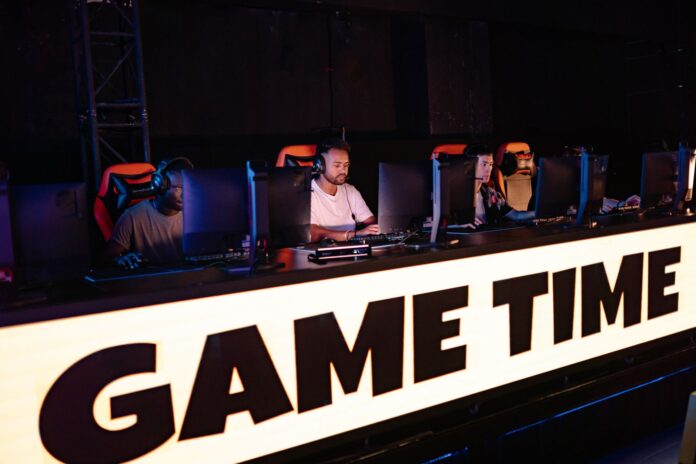

Japan has confirmed a 25-strong esports delegation for the 2026 Asian Games, which open in Nagoya, Aichi Prefecture, on 19 September. The Games will host 13 esports titles across 11 events, an expansion on the previous edition, according to Nippon.com. It marks only the second time esports has appeared on the Asian Games competitive programme, having first featured as a demonstration sport at the 2018 Jakarta-Palembang Games before becoming an official medal fixture at Hangzhou 2023.
Japan’s squad will compete across nine titles and seven events at Aichi-Nagoya, with the line-up leaning heavily on domestic publishers. Confirmed games for the Japanese contingent include Street Fighter 6 (listed as Fighter 6), Tekken 8, Puyo Puyo Champions, Gran Turismo 7, eFootball and Pokémon Unite. Of the 13 titles on the overall programme, 11 are newly adopted since the last Games, a level of turnover that Nippon.com notes makes it hard to track achievements such as back-to-back titles from one edition to the next.
The delegation spans a notably wide age range. The youngest representative is 11-year-old Kurihara Yūki, competing in Puyo Puyo Champions, while the oldest is 43-year-old Sawada Akihito, known by the moniker Score, who will play The King of Fighters XV. Selection processes also varied significantly by title: qualification for Street Fighter 6 ran through designated qualifying events feeding into a national tournament, whereas places in Pokémon Unite and Identity V were decided on broader performance and match-play considerations, per Nippon.com.
The push to keep esports inside multisport events comes as the commercial scale of competitive gaming continues to grow. The 2024 League of Legends World Championship final drew more than 50 million concurrent viewers worldwide, the 2026 Apex Legends world championship in Sapporo sold more than 38,000 tickets across four days, and the Esports World Cup’s relocation from Saudi Arabia to Paris in 2026 carries an estimated economic impact of up to €600 million.
That growth has not resolved persistent structural tensions. Publisher control over copyright and competition rules sits awkwardly alongside the fair-play framework expected of international multisport events. Nippon.com also points out that treating esports as a single sport obscures how different its genres are in practice, likening the gap between a puzzle title and a fighting game to the difference between football and judo, a comparison that feeds into wider industry debate over whether esports needs an Olympic-style model at all.
The International Olympic Committee scrapped its planned Olympic Esports Games partnership with Saudi Arabia in October 2025, and there has been no official announcement on the long-term future of esports within the Asian Games programme. Even so, initiatives such as Japan’s planned July 2026 Esports Lab suggest publishers, federations and host nations still see value in aligning competitive gaming with traditional sport, rather than dismissing it outright as “just video games”.